
Should You Be Stacking Your Water?
The glass isn’t just half full anymore. It’s loaded, optimized and probably pink.
Picture an Owala filled to the brim with something that is technically water—pale pink from the electrolyte powder, slightly cloudy from a scoop of collagen and with a faint smell of mixed berry and a hint of ambition. This is what drinking enough water looks like in 2026, and it will run you about $8 worth of supplements, all before 8 a.m.
Not long ago, the advice was simpler: eight glasses a day and warm with lemon if you’re the kind of person who is particularly wellness-inclined (or just fancy). But in recent months, that once-static advice has evolved into something far more layered, innovative and enhanced. Welcome to the era of stacked water.
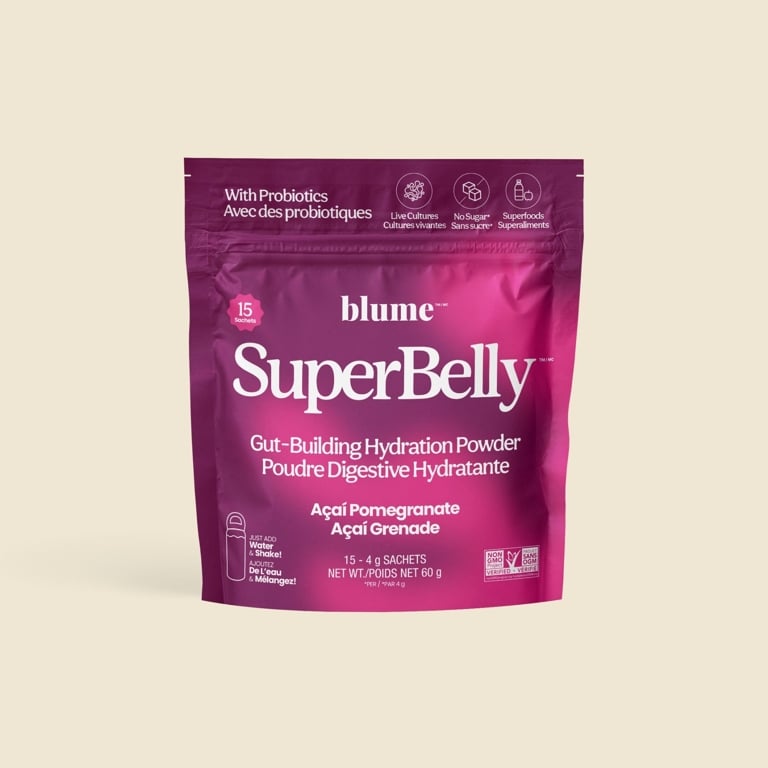
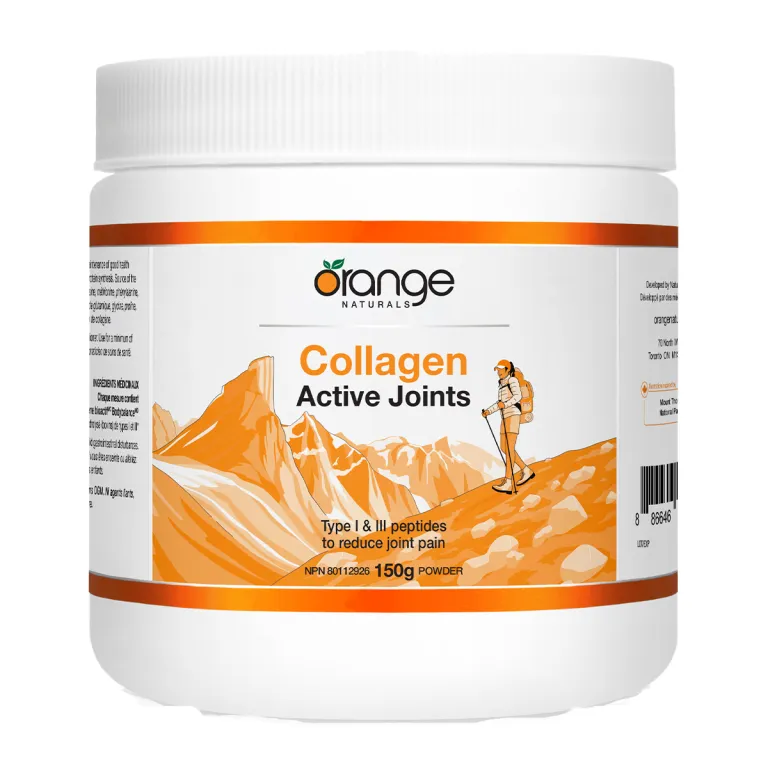
Widely attributed to content creator @itsjeffreyshouse, the viral trend has health enthusiasts transforming simple glasses of water into something you might see on a smoothie bar’s back counter. Think chia seeds suspended in tinted electrolyte water or a scoop of unflavoured creatine stirred in with the confidence of someone who absolutely knows what creatine does. These functional mix-ins range from collagen and fruit purées to gut- supporting probiotic powders by companies like Vancouver-based Blume and beyond. It may seem elaborate, but the goal isn’t just hydration; it’s better skin, improved digestion, sustained energy levels and an overall lifestyle boost.
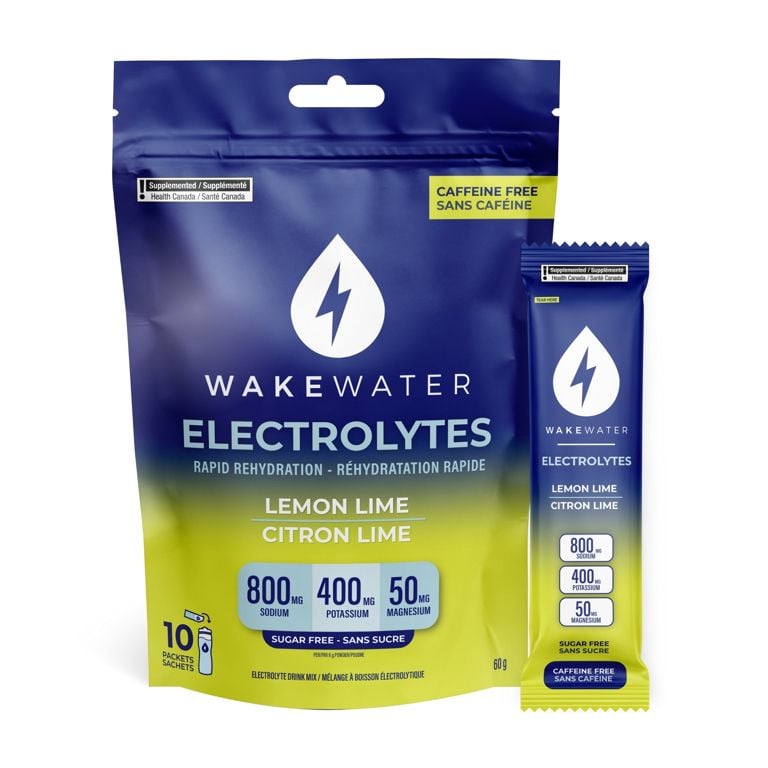
It’s no surprise that with the promise of results-driven hydration, the trend has helped propel a full-fledged category shift. “Consumers are getting more educated, and trends like stacked water are part of that,” says Scott Currie, the CEO of WakeWater, a Toronto-based beverage company that specializes in clean caffeinated water and electrolyte powders. “We don’t want to sell people a promise of something six weeks down the road; we want to sell them something they can feel today.”
According to Currie, whose company entered the drink-mix space in 2023, that curiosity has helped transform Canada’s functional-hydration category into a flourishing market in just a few years—a strong indicator that drinking water is no longer just for refreshment.
But the appeal of stacked water extends far beyond ingredients. At its core, it reflects a broader cultural fixation on performance—the same impulse behind hyper-curated morning routines and tech-driven skincare treatments. As Currie puts it, the trend is “more about being an optimized version of yourself” than any single add-in. The careful layering, branded mix-ins and rainbow-hued liquids turn these hydration choices into curated rituals that signal health-conscious, wellness-led lifestyles.
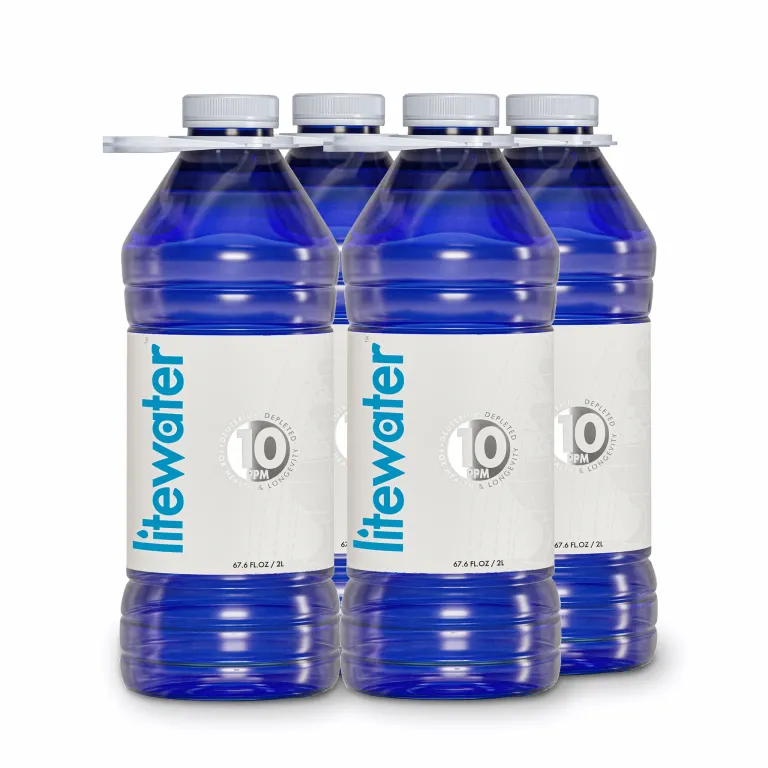
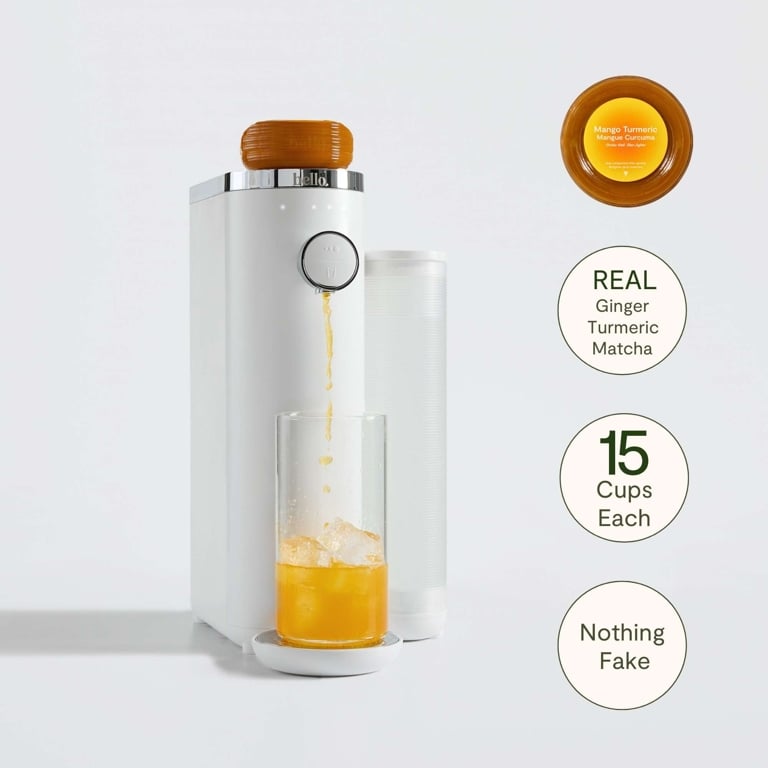
There’s also a status element at play. At The Row’s Spring 2026 show, guests were famously gifted bottles of Litewater, which is marketed as “the purest water in the world” and carries a price tag of $275 for a case of four. And at this year’s Oscars, attendees’ snack boxes were filled with aluminum cans of “Open Water,” an electrolyte-infused H2O that emphasizes great taste and sustainable packaging. Even at home, gadget lovers are swapping their Stanleys and Owalas for sleek tech-enabled vessels and opting for advanced filtration systems like the Montreal brand Bello’s aesthetic and user-friendly countertop hydration units.
Still, not everyone is ready to stack. Currie is measured: Electrolytes are well researched, he says, but more isn’t always better. Everything in moderation. Yet he also adds that if the trend encourages people to drink more water, it’s a net positive. It’s a sensible note—and a slightly ironic one, coming from a man who has built a business on the idea that plain water isn’t quite enough. We’ve come a long way from Gatorade and Crystal Light—hydration, it seems, has entered its self-improvement era.

Stephanie Davoli is the editorial assistant at FASHION Magazine. With a passion for all things fashion, beauty and pop culture, she’s inspired by fashion psychology, sustainability and industry innovations. Her previous bylines include The Toronto Star, Chatelaine and The Quality Edit. When she’s not working, you can find her shopping, taking a Pilates class or combing through the Vogue archives.