
Brands Are Making Movies Now
Designers are tapping directors to bring their collections to life. Here’s why.
This fashion month, Demna—the former creative force behind Balenciaga and newly appointed artistic director of Gucci—went against all designer-debut conventions. To unveil his vision for the heritage brand, Demna eschewed the concept of a runway show and instead held a movie viewing party.
During Milan Fashion Week, celebrity guests gathered for the premiere of Gucci’s The Tiger, a short film starring A-list names like Keke Palmer, Edward Norton and Kendall Jenner. The 33-minute drama—which boasts Demi Moore as a lead—is campy, over the top and costumed entirely from Gucci’s Spring 2026 collection. Co-directed by Spike Jonze and Halina Reijn, The Tiger follows Moore as a moneyed matriarch, gathering her children for a birthday celebration. (Of couse, hijinks ensue.)

The film reads more like an experimental short than a clothing campaign. It’s full of melodramatic moments and delightful cameos, characters Demna said were integral to the shaping of the collection. ‘[I asked] myself what Gucci means to me, from its archive to the many identities it embodies,” he told The Hollywood Reporter. At the premiere, attendees like Gwyneth Paltrow and Alex Consani arrived in his new pieces, turning the event’s red carpet into its own sort of runway.
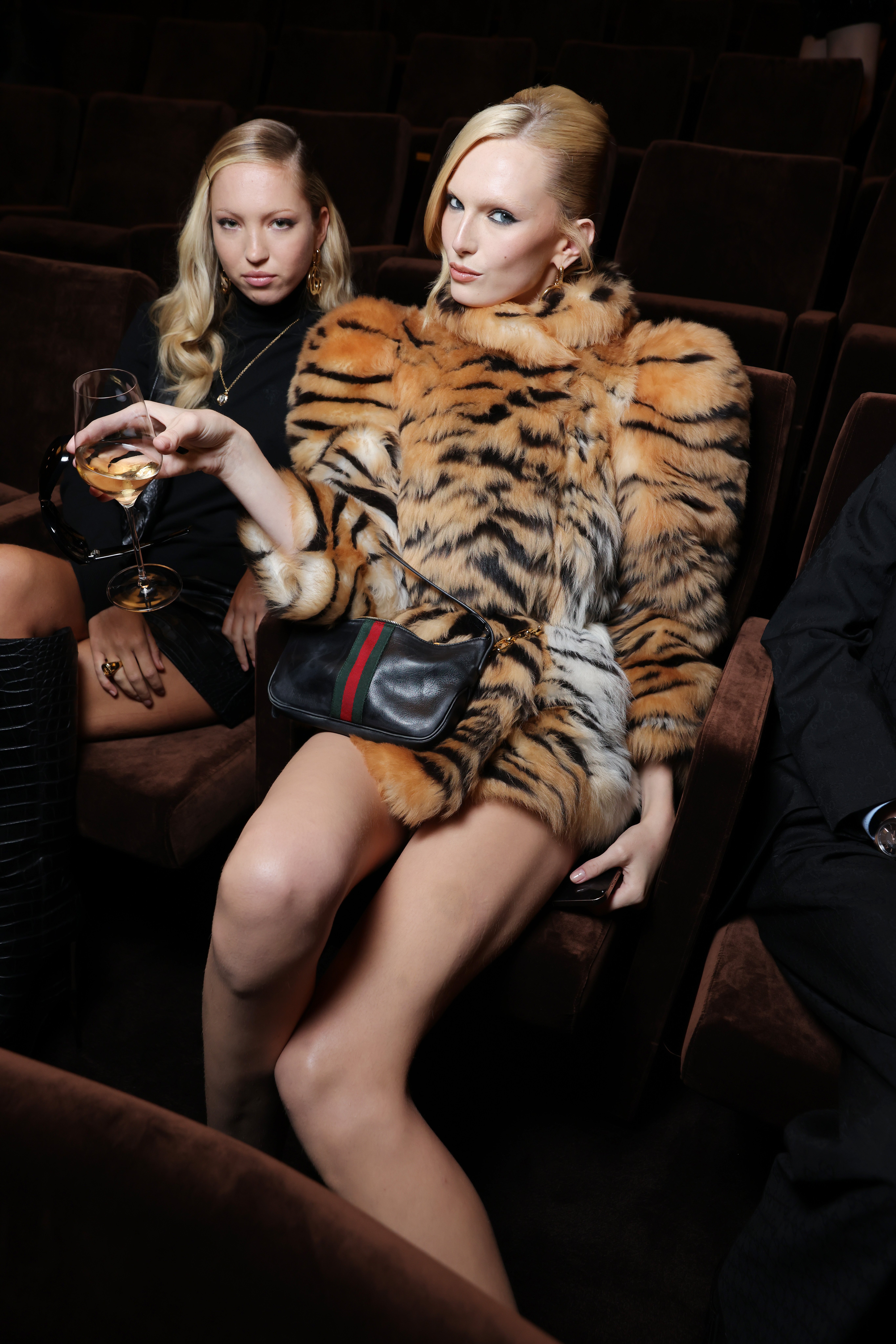
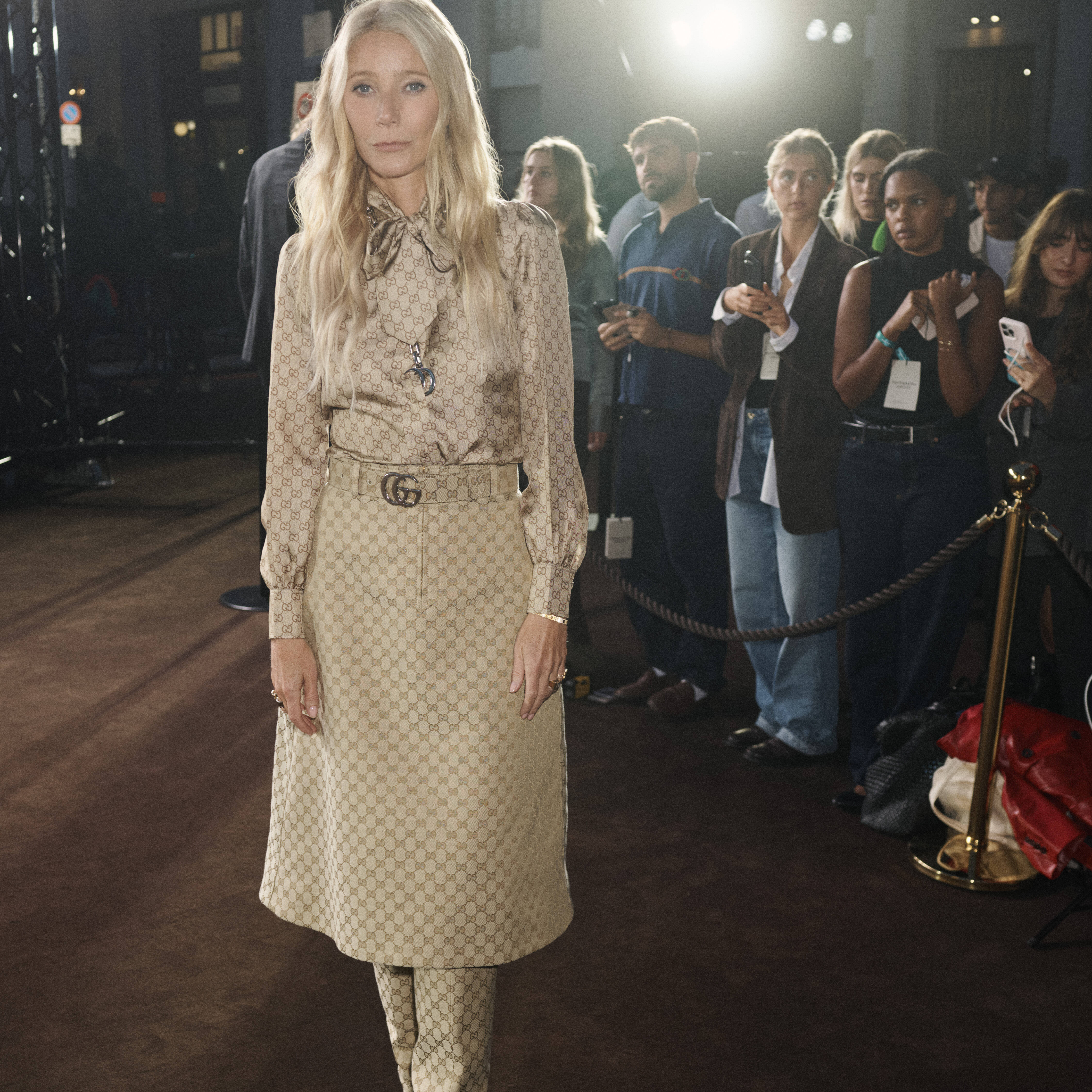
courtesy of gucci
But Demna wasn’t the only one with a motion-picture mindset. A week before Gucci’s movie, Prada dropped a freaky short film directed by Yorgos Lanthimos (Poor Things, The Favourite) starring Scarlett Johansson. The near two-minute release shows Johansson listing off instructions for a witchcraft-adjacent ritual, which involves procuring “rainwater that drips from a non-blooming cherry tree,” “the recorded barking of a medium-sized dog” and “three drops of blood drawn at nighttime.”
It ends with a Frankenstein twist: A Johansson clone materializes clutching a charcoal-coloured Prada Galleria bag. It may not be in-your-face marketing, but it captures Prada’s beloved off-kilter edge. Plus, it’s memorable.
In recent seasons, many brands have taken a big-screen approach, from bag retailer Vera Bradley to Brooklyn-based Jewellery designer Alexis Bittar. And it goes further than advertisements: fashion brands are playing a part in bringing box-office hits to life. Yves Saint Laurent was behind the outfits in Oscar-winning Emilia Perez, while Jonathan Anderson did the costuming for Luca Guadagnino’s Queer and Challengers.

Most recently, Tiffany & Co. worked with Netflix on a first-of-its-kind partnership for Guillermo del Toro’s highly anticipated Frankenstein. Throughout the film, Mia Goth wears archival, custom and couture jewels from the iconic Maison, further enriching the classic tale’s age-old opulence and mystique.

For fans of fashion and film, the appeal is clear. Seeing a luxury brand in a cinematic setting breaks the fourth wall between consumer and company, while adding layered lore to a film. It’s also more engaging. In the age of social media, participating in fashion is an increasingly communal act, something that’s meant to be shared and talked about.
Take buzzy runway watch-parties put on in Paris by influencer Lyas last month—where thousands gathered to witness Matthieu Blazy’s debut at Chanel and Jonathan Anderson’s menswear show for Dior. The rowdy turnout was compared to that of a World Cup game, with all the excitement of attending a premiere alongside other super-fans.
Ultimately, fashion’s starring role in film signals a new era of advertising—one reminiscent of early infomercials, which blurred the line between entertainment and marketing. Beginning in the 1940s, the first-ever infomercials were 30-minute programs (the length of TV episodes) that featured long detailed explanations of a given product. Over the decades, commercials got shorter and snappier. Brands were attempting to sell to consumers in a tighter timeframe with “but wait, there’s more!” enthusiasm.

These days, the winning strategy is shifting. Shoppers aren’t forced to endure boring TV in the living room anymore—they’re scrolling through social media for entertainment. Brand messaging should, first and foremost, add to the experience. That doesn’t mean shorter ads do better (Demna’s half-hour film is at 1.6 million views), it just means they have to have a narrative purpose.
For designers, it comes down to building a universe. Telling a story, especially one that’s whacky or over-the-top, is often more effective in evoking emotion than producing an ultra-polished campaign. If that means luxury brands will start making ads that we can rate on Letterboxd, even better.

Natalie Michie is the Fashion & Features Editor at FASHION Magazine. With a pop culture obsession, she is passionate about exploring the relationship between fashion, internet trends and social issues. She has written for Elle Canada, CBC, Chatelaine and Toronto Life. In her spare time, she enjoys reading and over-analyzing movies on TikTok.