
Charting the history of rebellious fashion in movies, from Grease to The Craft
Today we celebrate the 25th anniversary of Thelma & Louise, a movie about two women who refuse to put up with anybody’s shit.
Which is a movie unique in an industry that’s slow to celebrate female rebellion -- especially in response to our sexist society. In fact, Susan Sarandon went on record last week saying she didn’t think the movie would made today (if it hadn’t come to fruition in the early nineties), and that none like it have been made since, which confirms how bleak our current cinematic landscape can seem.
But there are exceptions. Where female characters are present, female characters also rebel, so while we’ve seen our share of trends via rom-coms, coming-of-age stories, and OTT dramas, we’ve also seen rebellion depicted through across all genres -- and thanks especially to fashion. Wearing one’s heart on their sleeve is the fastest way to establish the rejection of norms, so with Thelma & Louise as our anchor, here’s how we’ve seen rebellion depicted aesthetically through time. (Dun, dun, dun.)
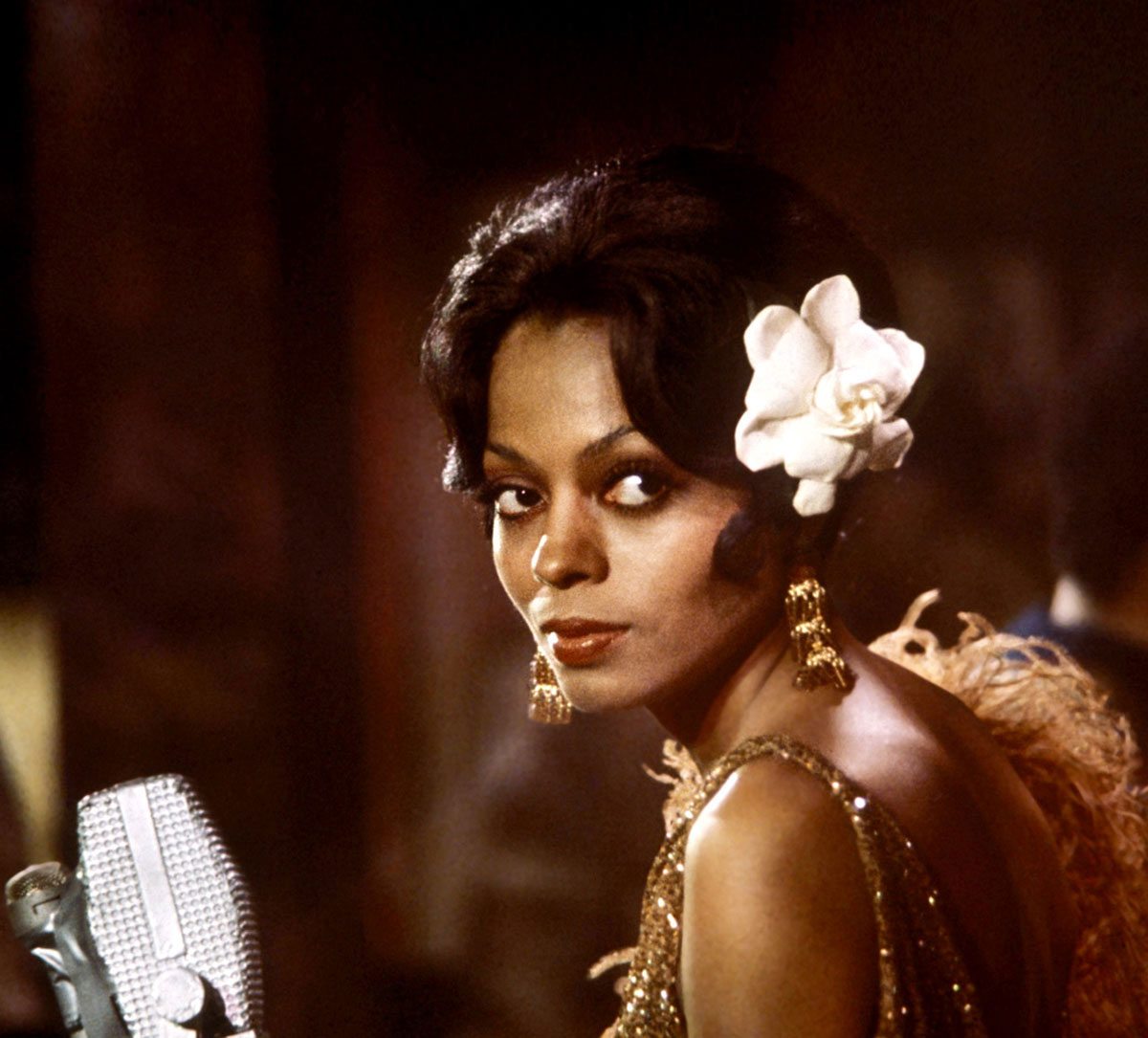


1920s-1930s: Flappers and Jazz Gaze upon your queen: Diana Ross as Billie Holiday in Lady Sings the Blues, the 1972 biopic about the First Lady of Song. Of course, Holiday was the epitome of rebellion, inserting herself into the male-dominated jazz and blues narrative with her tremendous voice and determination. And while her career didn’t get fully underway until 1929 (when she began performing regularly at nightclubs), we saw her aesthetic evolve as she did, commanding attention alongside a woman who deserved even more. Plus, there’s movies like The Great Gatsby and Midnight In Paris that see flapper fashion in its prime. But lest we forget that flappers weren’t exactly warmly embraced: condemned for their short skirts, bare arms, and undefined silhouettes, flappers were seen as a moral and ethical threat thanks to their flair for drinking, smoking, dancing, and exhibitionism. (So: fun.)