
How to Combat Traction Alopecia, According to Experts
Two professionals help us understand why the condition is an ever-present concern among Black women.
At the beginning of May, I booked an appointment to get braids. I had just taken out a sew-in weave and was excited to have a lower-maintenance protective style. But I was also anxious. My edges were looking a little sparse, likely due to heat damage and over-manipulation from styling my leave-out while I had my weave in. I knew that getting braids would probably only make a fragile situation worse, but I did it anyway. In the chair, I practically begged the stylist to leave those front hairs out of the braids. And thankfully, she listened.
Still, as soon as we were done, I texted my friend, who was visiting the States, to see if she could bring me back a bottle (or two) of the viral Cécred Restoring Hair & Edge Drops I had been seeing on TikTok—just in case. I was worried about developing traction alopecia—a condition that I know is common among Black women who style their hair often.
“Traction alopecia is a form of self-induced hair loss,” says Dr. Renée Beach, a board-certified dermatologist and the founder of DermAtelier on Avenue, a medical and cosmetic clinic in Toronto. “With ongoing styling choices, we create it. And if we don’t circumvent, stop or reverse the styling choices, it can be permanent.”
Symptoms of traction alopecia include tenderness, redness, pain and small sensitive bumps in the areas of highest tension. Typically, it starts around the edges and hairline, but it can also affect other areas, including the back and centre of the head and along part lines. The condition can affect people of any ethnicity, but according to a 2023 article published in The Journal of the American Medical Association Dermatology, up to a third of Black women will experience it, mostly due to the tension associated with common styling practices on afro-textured hair, such as braids, locs and slicked-back ponytails and buns.

“The way that you get your hair to flourish, grow and look healthy and be amazing and strong is to really support the scalp,” explains Kimberlee Blakley, a hairstylist, trichologist and product developer at MAV Beauty Brands—the company behind Marc Anthony, Renpure and The Mane Choice—who previously held roles at L’Oréal, Moroccanoil and DevaCurl. “However, when I was working in professional and prestige places, I saw that we didn’t necessarily launch products in that category because they didn’t sell well.”
That perception has started to change—thanks in part to what Blakley calls the “skinification” of the scalp. She says that over the past five years, there has been an onslaught of brands offering a holistic hair-care routine including products—shampoos, conditioners, serums, oils and night creams—specifically focused on scalp health, treatment and restoration. The approach makes sense when you consider that the skin on your scalp is essentially the same as the skin on the rest of your body. Its pH level and biological properties are similar. So, when it comes to areas of the scalp affected by damage or traction alopecia, some treatments commonly used at medical spas to rejuvenate the face can be applied to re-stimulate the scalp, too.
“If we don’t circumvent [traction], stop or reverse the styling choices, it can be permanent.”
“There’s some evidence that red-light lasers at a specific nanometre and wavelength can penetrate and excite the hair follicle or provide a certain energy that promotes growth,” says Beach. And microneedling, fractional lasers and even Botox injections can also be used to help promote healing and growth on the scalp.
But in the early stages of hair breakage or loss, those treatments may not be necessary. Because traction alopecia is self-induced, the easiest way to correct the damage is to alleviate the tension on the hair and scalp by taking out whatever it is that’s causing the damage in the first place. That doesn’t mean you have to give up your favourite hairstyle entirely, though.
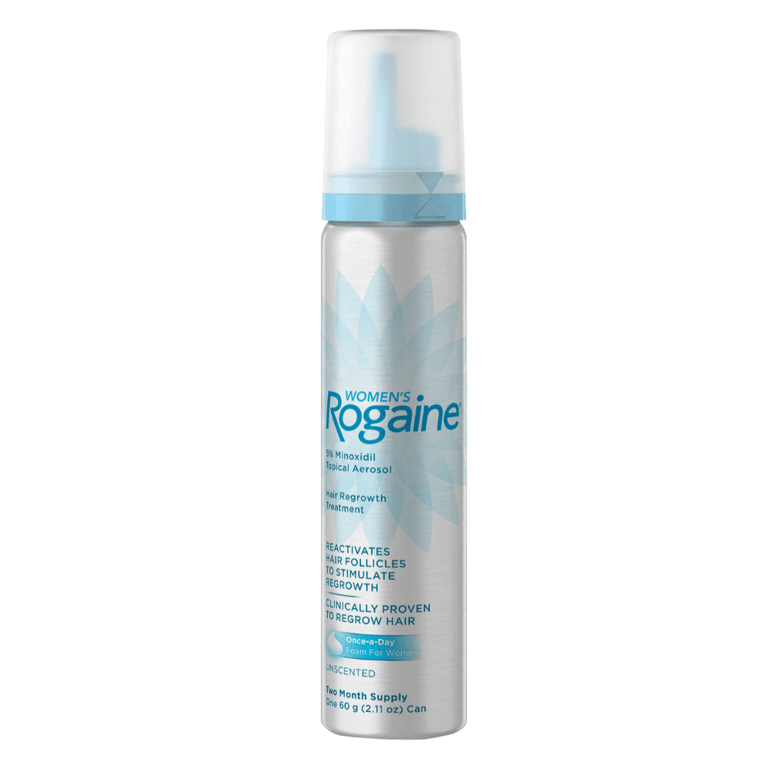
“Rotating styles is helpful, provided that you don’t move on to a more injurious or damaging style and that you take aims to repair whatever change you’ve noticed in the interim,” says Beach. She recommends applying products with natural ingredients like caffeine and amino acids or active ingredients like minoxidil, which can be found in popular over-the-counter products like Rogaine, to the scalp.

As a stylist herself, Blakley emphasizes the importance of speaking up at the salon if you’re feeling discomfort, pulling, tightness or too much tension. “All styles can be done in a healthy way where you’re able to maintain the integrity of the hair and scalp without having any damage,” she says. “It really depends on the stylist. And you have to be very vocal. If it hurts, say something!”
Blakley acknowledges that dealing with hair loss and breakage can be challenging and at times discouraging. But it’s a journey that we should embrace and continue to forge through. “You are not your hair,” she says. “If you have some or if you don’t, if you’re losing it or if you have too much of it, this stuff is not perfect. It is perfectly imperfect and beautifully challenging. It is never the same. But it is the greatest form of expression. And the challenges that we sometimes face with our hair are what make it beautiful.”
Scalp care is more than just a trend. For Black women—especially those experiencing breakage, hair loss or traction alopecia—it’s an essential part of the journey to healthy hair.
New Growth
Five products that can help stimulate the scalp and promote hair growth in damaged areas.
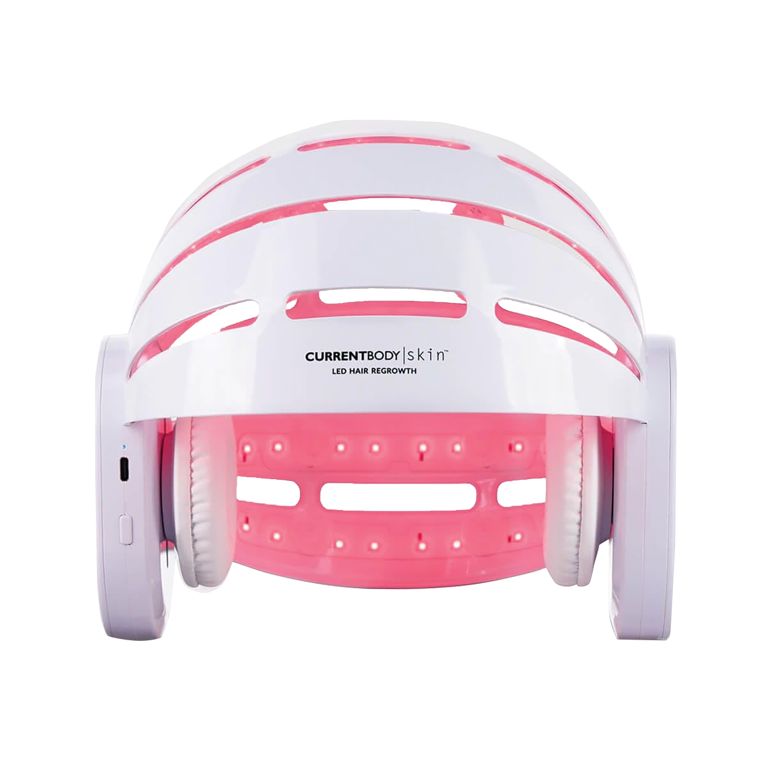
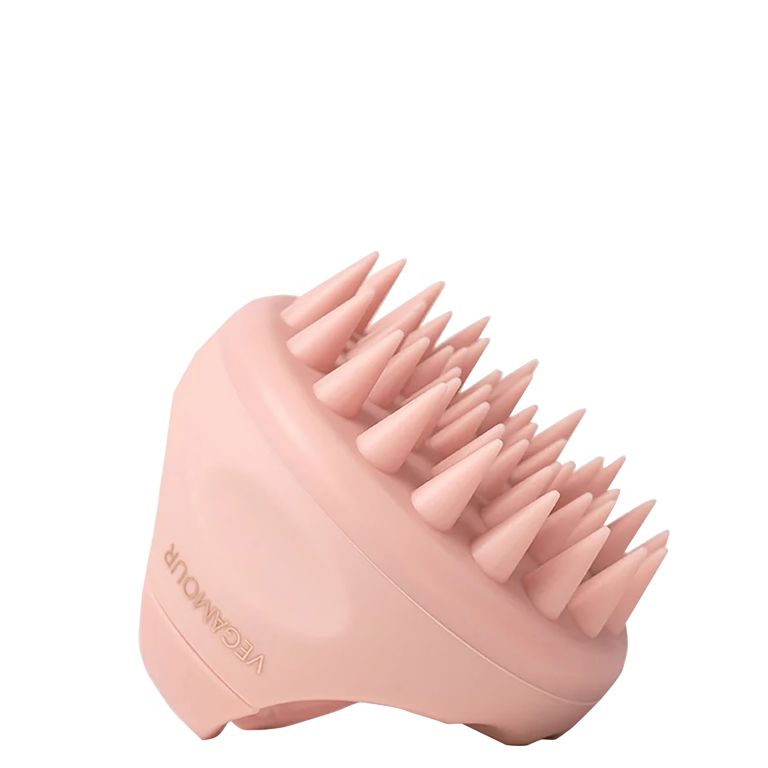
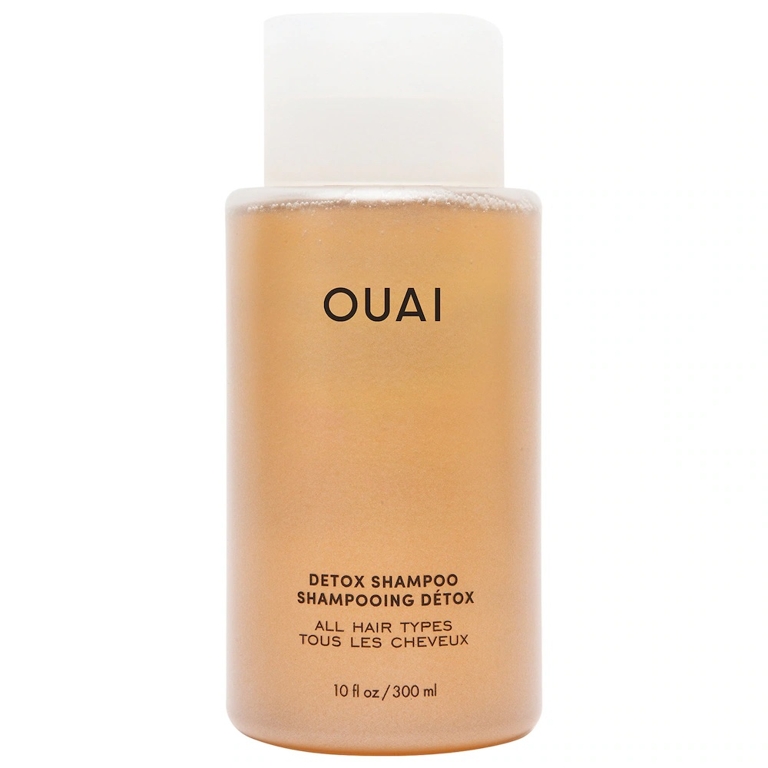
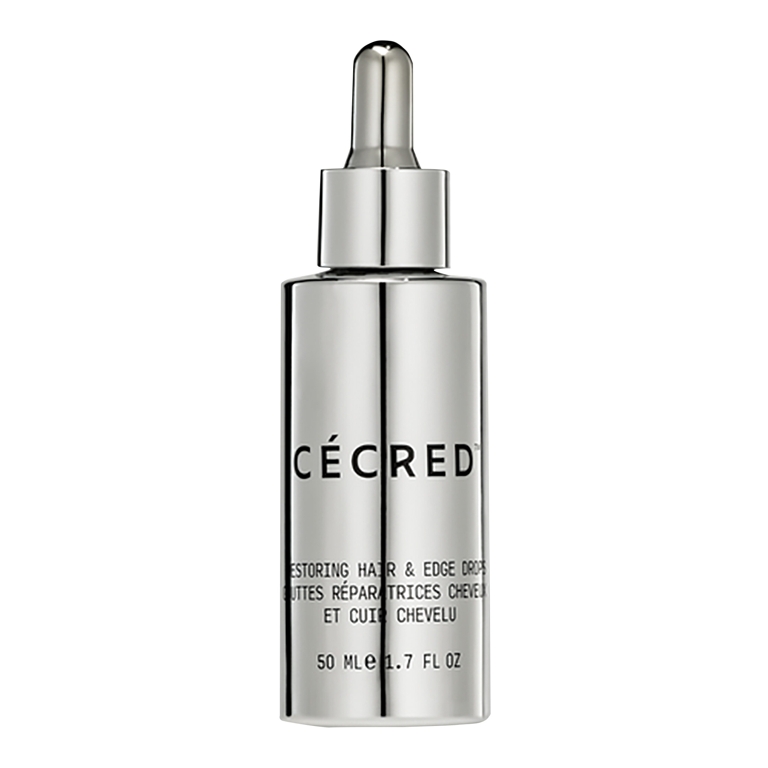
Cécred Restoring Hair & Edge Drops
This article first appeared in FASHION’s September 2025 issue. Find out more here.
Ebonie is a writer with a keen interest in fashion, beauty, and pop culture, who is interested in how each of those things interact with—and influence—the societies we live in. In addition to FASHION, she has words in Refinery29: Unbothered, S Magazine, SHARP, Elle Canada, and Bully Magazine. When she’s not writing, she’s probably reading, eating, or strolling (she’s very much trying to spend less time scrolling).