
10 Years In, The Ordinary is Still Playing By Its Own Rules
For the past 10 years, the brand has been betting on its customers— and has transformed the skincare industry in the process.
When The Ordinary launched in 2016, retailers had plenty of feedback for the brand: Customers wouldn’t understand how to shop for products named after their ingredients; its packaging actually needed to be colourful instead of white; the prices were simply too low to be trusted—or sustainable.
“We were told that people just didn’t shop this way,” says Nicola Kilner, co-founder and CEO of Deciem (the Toronto-based beauty incubator that launched The Ordinary) over a Zoom call from her home base of Nottingham, England. “But we didn’t want to treat customers like they were passive buyers, because they’re not,” she says. “They’re curious and intelligent, and we were going to treat them with the respect they deserve.”
A decade ago, the beauty industry largely operated under the assumption that shoppers were more interested in big promises than thoughtful formulations. You may recall that up until quite recently, beauty products were primarily sold using flashy names and aspirational marketing rather than an ingredients-first approach. An ingredient list was merely a detail for chemists to concern themselves with.

Today, of course, consumers’ ingredient literacy is a key force shaping the beauty industry. Skincare lovers discuss peptides, ceramides and acids with an ease once reserved for industry insiders. Oh, how things have changed. Launched by Deciem, The Ordinary—under the guidance of its co-founder, the late Brandon Truaxe—arrived with a radically simple proposition: Tell shoppers exactly what they’re buying, how it works and how much it costs. It did away with lofty claims, celebrity ambassadors and shiny packaging. That steadfast belief in its consumer would become the foundation of one of the most influential beauty brands of the past decade.
Despite retailers’ skepticism, consumers responded almost immediately. Word spread about The Ordinary through social media and online skincare communities, which, at the time, were becoming increasingly interested in understanding what was actually in their beloved products. Central to that movement was an unusually direct relationship between the brand and its audience. Long before founder-led brands became the norm, Truaxe engaged with The Ordinary fans online, and the brand’s education-first approach helped foster a level of trust rarely seen in beauty at the time.
“Brandon once did a live Q&A that was supposed to be an hour long,” says Kilner. “He ended up staying on for 24 hours because he was determined to answer everyone’s questions. And the level of detail with which he answered each question was just phenomenal. He was so passionate and cared about the brand so much. He passed away [in], but the values he instilled in us are still deeply embedded in the culture of The Ordinary and Deciem.”
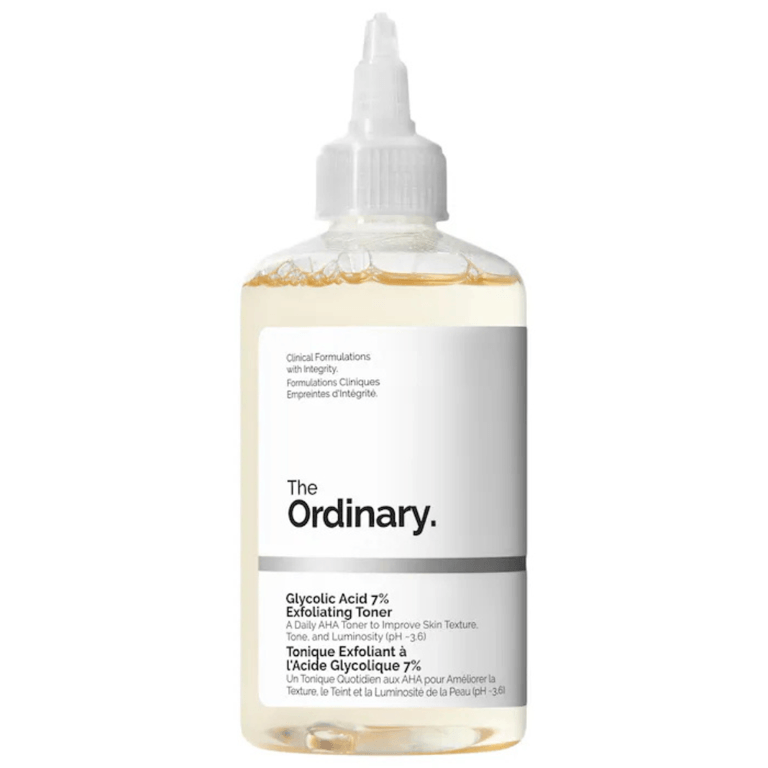
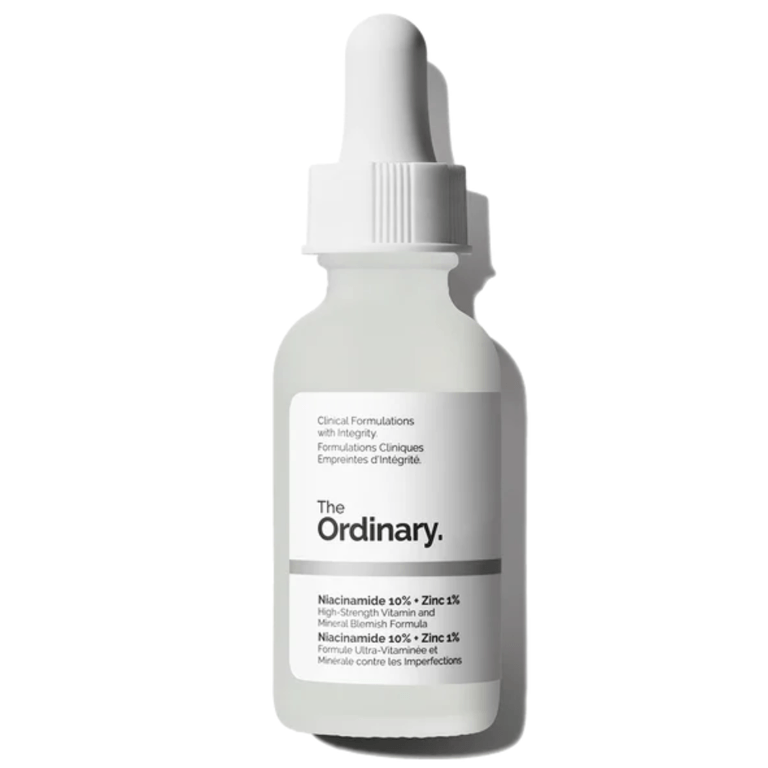
As consumers became more ingredient-savvy, several SKUs emerged as hero products. Niacinamide 10% + Zinc 1% helped introduce a once-obscure ingredient to mainstream shoppers, while Glycolic Acid 7% Toning Solution became a social-media phenomenon as users discovered its benefits during the pandemic—a period of time during which the skincare industry thrived. “The toning solution wasn’t a new product,” says Amy Bi, VP of global brand, over a video call from the brand’s Toronto HQ. “In fact, it was in the original The Ordinary lineup.”
But thanks to its accessible price point and efficacy, it took off. Radically low pricing has always been at the core of the brand, thanks in large part to the fact that its entire operation, including the lab, exists under one roof in Toronto. “Price shouldn’t define quality,” says Kilner. Nor, the brand argued, should sophisticated and efficacious formulations be hidden behind (or diluted by) marketing speak.
“The brand was born out of a strong belief that there was a lack of transparency in the beauty industry and a frustration about not being able to tell why a product cost five dollars or 50 dollars,” says Bi. “We build our products with price in mind. And because accessibility is why The Ordinary exists—and what consumers expect of us—it’s a critical element when we’re deciding what products to launch.”
Cost is a constant discussion at the brand’s HQ. “Every year, we’ll do a price review,” explains Bi. “We look at our overall cost of running the business and our margins.” Sometimes that means increasing the price of a product, which the brand communicates well in advance. But it can also mean lowering prices. “Whenever we have a chance to lower the price of a product based on the economies of scale that we’ve been able to achieve, we’ll do it.”
Today, The Ordinary (along with the other brands under the Deciem umbrella) has been acquired by Estée Lauder. It is available at Sephora stores and online and has shipped over 650 million units worldwide. According to Vogue Business, the brand is expected to generate between $500 million and $1 billion in annual sales this year. Its challenge now is the same one it faced in 2016: finding ways to continue to push things forward while remaining true to the values that made the brand disruptive and genuinely innovative.
“Transparency,” “accessibility” and “education” may have become industry buzzwords over the past few years, but for The Ordinary, they are what the business was built on. “Honestly,” says Kilner, “I think authenticity is the only sustainable competitive advantage you can have.”
This article first appeared in FASHION’s September 2026 issue. Read more stories from FASHION’s September 2026 issue here and subscribe to the print issue here.

Souzan Michael Galway is a beauty editor and copywriter who has spent the last 15 years reporting on the beauty industry. She covers everything from innovative product launches and buzzy new ingredients to how evolving beauty trends reflect what's going on culturally. During her downtime, she can be found playground-hopping with her toddler and golden retriever.