
The Sports Industry Is Secretly Obsessed with Beauty
From multi-step skincare routines to long-wearing lipstick, beauty brands are undeniably running the game in sports. But is the industry’s involvement only skin deep?
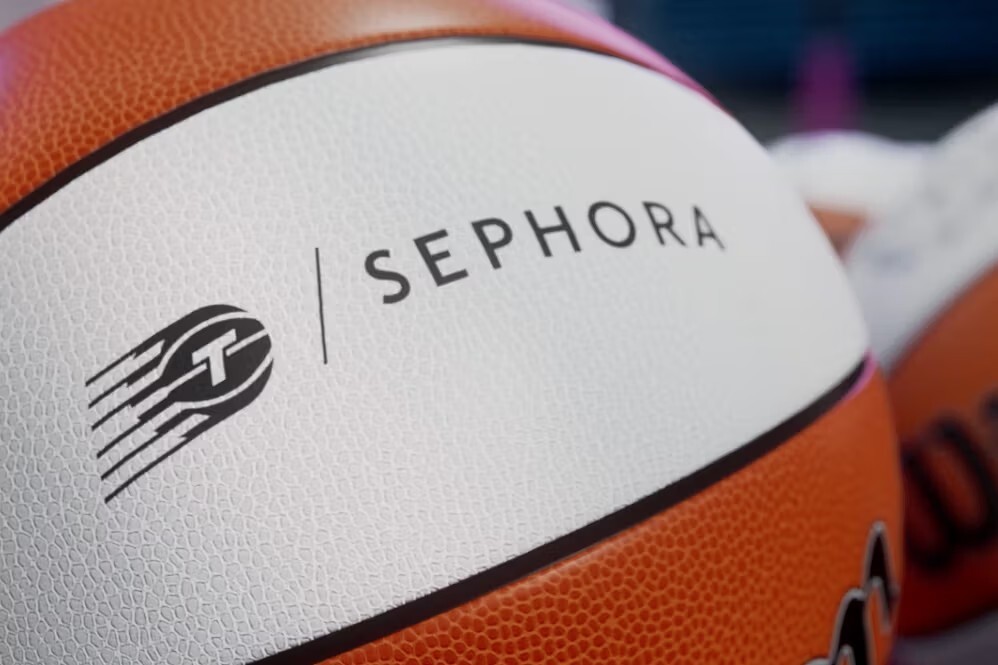
Fans at a Golden State Valkyries game are out of their seats and yelling with glee. No, they aren’t cheering on star forward Kayla Thornton. They’ve got their arms outstretched in the hope of securing a black-and-white-striped goodie bag floating down the stadium via a mini parachute—Sephora serves as the WNBA team’s founding partner, after all.
In 2025, makeup, hair-care and skincare brands are calling the shots in not only women’s leagues but also men’s—which raises the question “What exactly is beauty’s play here?”
A League of Her Own

Sports have historically been a man’s domain—to the point where Olympic gold medallist and professional women’s hockey player Sarah Nurse (who’s heading west to join Vancouver’s new PWHL team this season) didn’t think she’d ever play in the NHL. The only time you’d see a woman’s athleticism in full force on-air? During the Olympics—whether to watch soccer legend Christine Sinclair or hockey star Hayley Wickenheiser bring home gold.
Even 10 years ago, women’s sports in Canada “didn’t look like anything,” says Kayla Grey, a Canadian sports reporter and the host of The Shift on TSN. But over the past few years, there’s been an explosive interest that’s been hard to ignore, thanks to new leagues launching and games finally being given airtime. In 2026, the Toronto Tempo—the WNBA’s 14th franchise and Canada’s first team—will tip off for its inaugural season.
Enter the fan-girl era. One need look no further than Brenda Song’s passionate courtside energy at a Lakers’ game to understand that sports are clearly resonating with women.

A 2024 report conducted by The Collective, a women’s sports research group, found that 72 percent of women globally identify as avid fans of one or more sports. Case in point: Women comprise nearly half of the NFL’s audience, which some chalk up to Taylor Swift and her high-profile relationship with Kansas City Chiefs star Travis Kelce. And over in the luxe world of motorsport, due in part to Formula 1: Drive to Survive (the glossy Netflix docuseries offering a behind-the-scenes look at team rivalries, athletes’ personal lives and more), women make up approximately 40 percent of Formula 1’s fan base.
Beauty in Motion

At first glance, beauty and sports may seem worlds apart—but dig a little deeper and you’ll find that these spaces share fundamental values that make them a great match. “Both beauty and sports thrive on innovation, entertainment and inspiration, with a dedication to deliver unrivalled performance,” says Charlotte Tilbury, renowned makeup artist and founder of her namesake beauty company. This year marks the brand’s second partnership with the F1 Academy, a motorsport category designed to give women pilots more experience and time on the track in the hope of ascending to Formula 1.
Performance is a key point of overlap, says Nurse, who fronts Revlon Canada’s ColorStay collection. Take, for example, the brand’s ColorStay mascara and its ability to stay put during a gruelling period. “If I can play a hockey game wearing it, you can go about your day and it’s not gonna budge,” she says.
But for these relationships to last longer than an impeccably formulated lipstick, Grey—a lover of makeup herself—feels there needs to be more to the story: “It’s not that these brands are partnering with teams and athletes; it’s why. Why do they need to be in this space?” She cites Dove as a pioneer that was knocking it out of the park with years of research on women and sports long before new players hopped on the bandwagon.
Sure, leaning on tried-and-true tenets like confidence and empowerment work, but Grey believes that brands can dig deeper into their storytelling with a nuanced approach. “Let’s talk about barriers,” she says. “What are you doing to help bring down barriers for a woman’s participation in sports? You give someone a blush...that’s gonna look real cute, but what is the story behind that?”
The Final Shot

There’s no denying that beauty brands are helping draw more women into the world of sports. “I still remember when a parent told me their daughter had become a hockey fan because they watched a curly-hair tutorial of mine on TikTok,” says Nurse.
This growing visibility of beauty on the court—and in the locker room, in the stands and beyond—could also help challenge outdated stereotypes about women sports fans. “I do believe that if it’s done correctly, these brands could invite women to the space so that they know they can absolutely be both,” says Grey. “They can be athletic. And they can also love a full glam.”
“Both beauty and sports thrive on innovation, entertainment and inspiration, with a dedication to deliver unrivalled performance,”
So, will we be seeing more beauty movers on the field? Nurse definitely thinks so. “We’re seeing such huge, mutually beneficial partnerships between sports and beauty brands, and I think that they are going to really push innovation and performance forward,” she says. Charlotte Tilbury announced its partnership with the Dallas Cowboys Cheerleaders this past summer and says there’s plenty more to come.
And while Grey hasn’t been blown away by the crossovers she’s seen so far, she’s hopeful she will be by others down the road. If there’s one thing for sure, it’s that beauty brands undeniably offer the ultimate assist to sports. It might just take some time and practice to score that glam dunk.
Game On
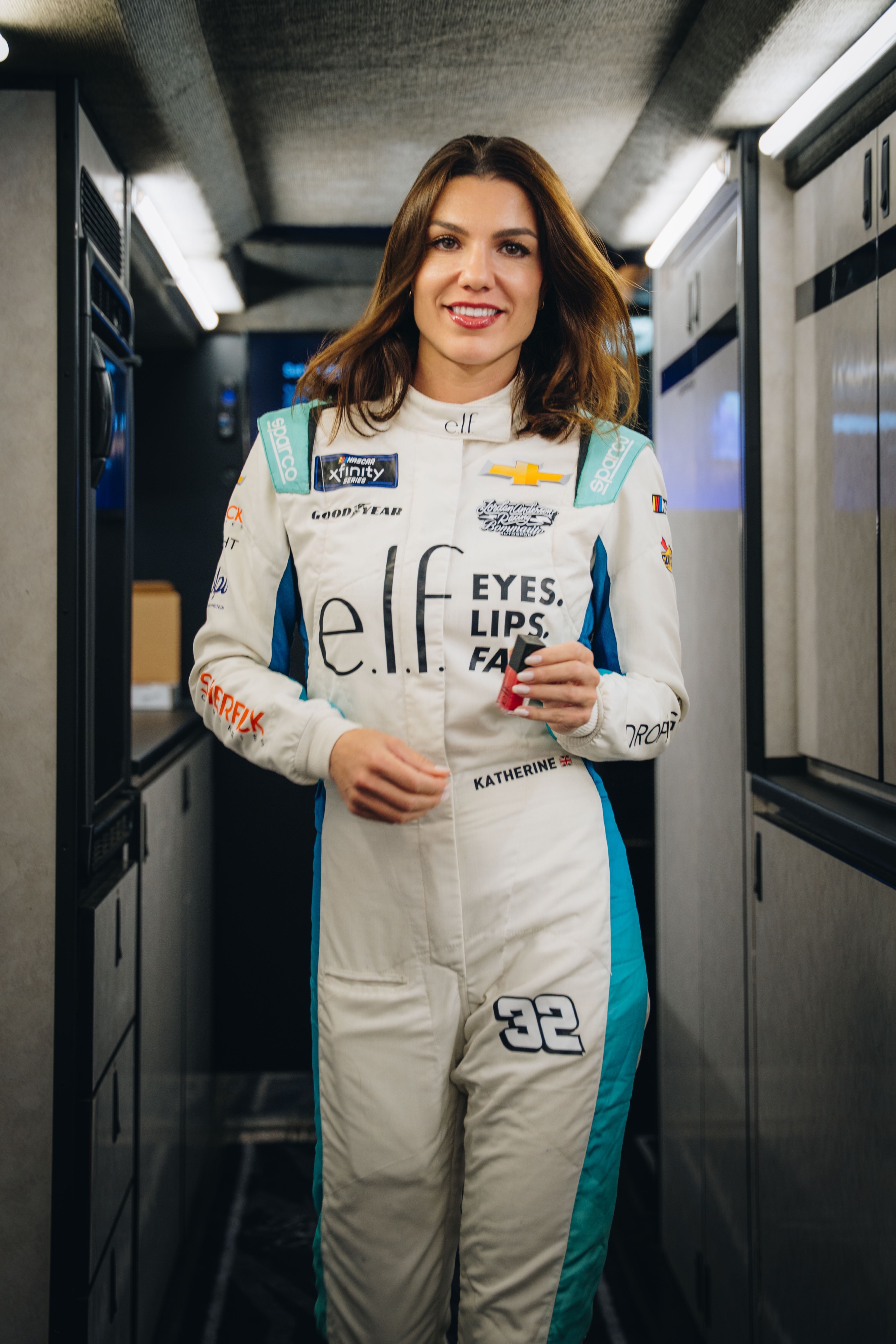
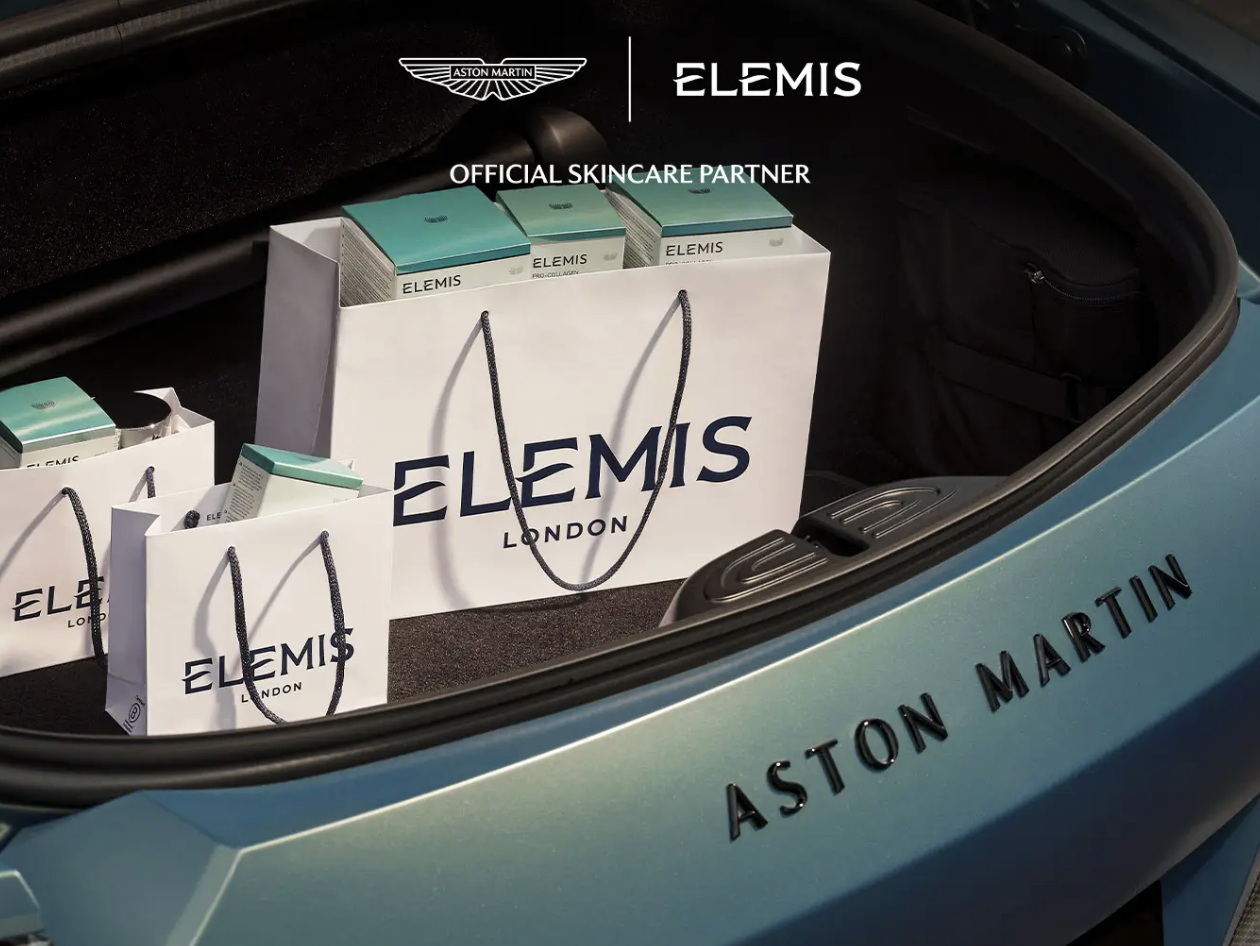
Beauty brands are teeing up for coveted access to sports teams and athletes. Here’s a look at some of the game-changing partnerships to date.
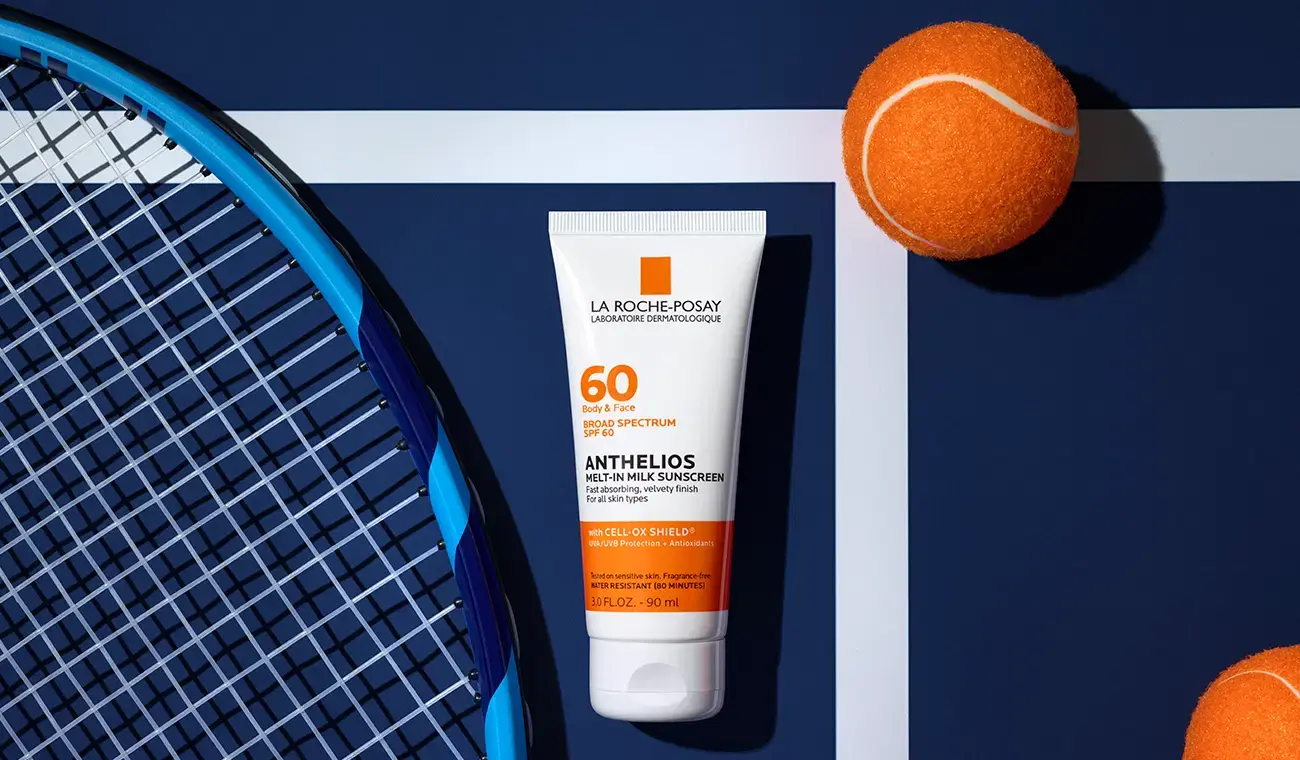


SPF on the tennis court? A no-brainer—and precisely why the French skincare giant’s partnerships with famed tennis tournaments are matches made in skincare heaven.
La Roche-Posay X U.S Open
This article first appeared in FASHION’s October 2025 issue. Find out more here.