
Your Skin Barrier Needs a Cold Weather Routine—This Is It
From ingredient swaps to pro treatments, here’s your winter-proof guide to calming, hydrating and healing your skin barrier.
You can’t see it, but it’s there—your skin’s invisible line of defence. The barrier is the unsung hero of your face, locking in moisture and fending off every environmental aggressor winter throws at you. While derms have been preaching its importance for decades, only recently has it become a full-blown obsession, dominating TikTok routines and bathroom shelves alike.
“In general, life damages the skin barrier,” explains Dr. Katie Beleznay, a Vancouver-based dermatologist and clinical instructor at the University of British Columbia. Her winter enemies list: blasting indoor heat, frigid winds and scalding showers. Translation: everything that makes the season remotely bearable.
Red, flaky, tight skin? Not cute—and not inevitable. Here’s how to baby your barrier back to health.
Warning Signs You Need to Course-Correct
Science time: your barrier lives in the stratum corneum (the skin’s outermost layer), a tightly packed fortress of cells held together by lipids. Its whole job is to keep the good stuff in (water) and the bad stuff out (pollution, irritants, drama). When it’s thriving, you get that Hailey Bieber glazed-doughnut glow. When it’s not? Think dull, dry, breakout-prone chaos. “Increased sensitivity, dryness, redness or roughness—and skin feeling tight or uncomfortable,” says Beleznay, ticking off the usual suspects. “It can also present as an increase in breakouts.”
Less Is More & Set Some Boundaries
Canadian winters aren’t exactly skin-friendly, but the fix doesn’t require a 10-step routine or a cabinet full of actives. “I often look for products with hyaluronic acid and glycerin to replenish lost moisture. I also like ingredients like ceramides and squalane to lock in that hydration and help to support the skin barrier,” says Beleznay.
The minimalist movement isn’t just a vibe—it’s a survival strategy. “If you are experiencing a compromised skin barrier it is a good idea to limit your skincare to a gentle cleanser, moisturizer and SPF while letting your barrier heal,” she advises. In other words: less is more.
Look for a cocktail of emollients, occlusives and humectants.
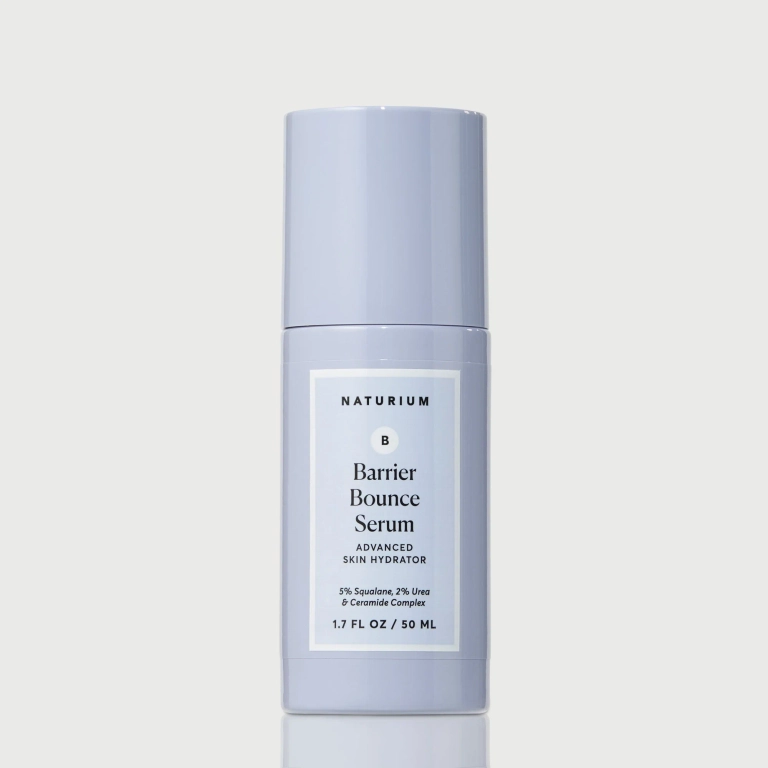
Another item to consider adding to your winter skincare routine is a barrier cream, which is basically emotional support in a jar—a buffer between your skin and the world. But what exactly makes it different from your average thick moisturizer? “They’re essentially the same, but a barrier cream is meant to be more occlusive and work to keep hydration in, whereas a rich moisturizer is formulated to be occlusive but also have nourishing ingredients that can hydrate and soften the skin,” says Susan Yara, skin expert and founder of skincare brand Naturium.
That said, you don’t need a product that literally says barrier on the label to get the benefits. “Sometimes these terms [dry] are used interchangeably, but dry skin often refers to a skin type that lacks oil or lipids whereas dehydrated skin lacks water,” explains Beleznay. Look for a cocktail of emollients (shea butter, cocoa butter), occlusives (lanolin, ceramides, glycerin) and humectants (hyaluronic acid, honey). Together, they help hydrate, seal and protect—think of them as the bouncers at Club Epidermis.
Barrier Boosters
These serums, mists and balms will flood skin with moisture while reinforcing your barrier for lasting bounce and glow.
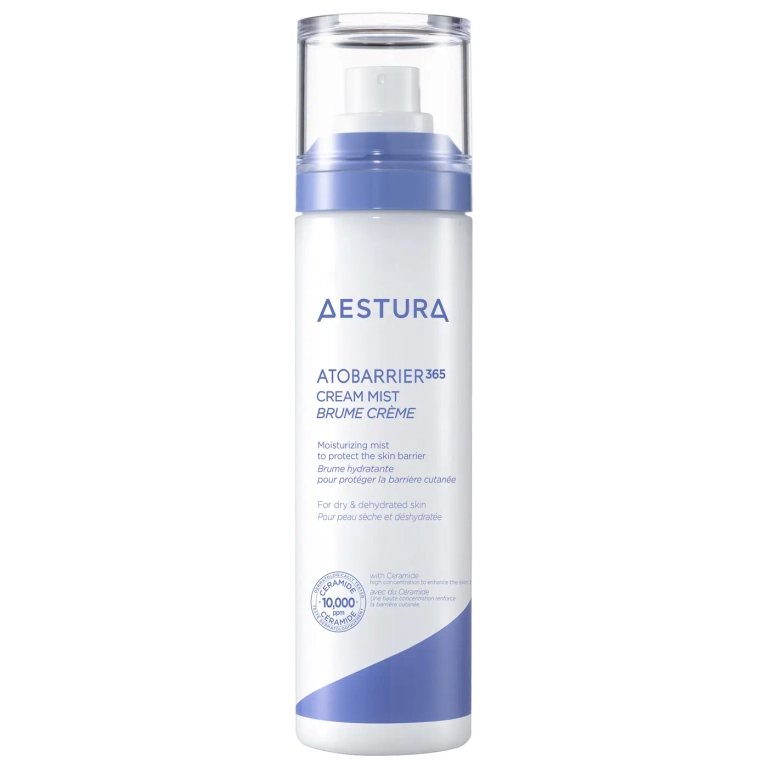
Aestura ATOBARRIER365 Moisturizing Cream Mist, $29
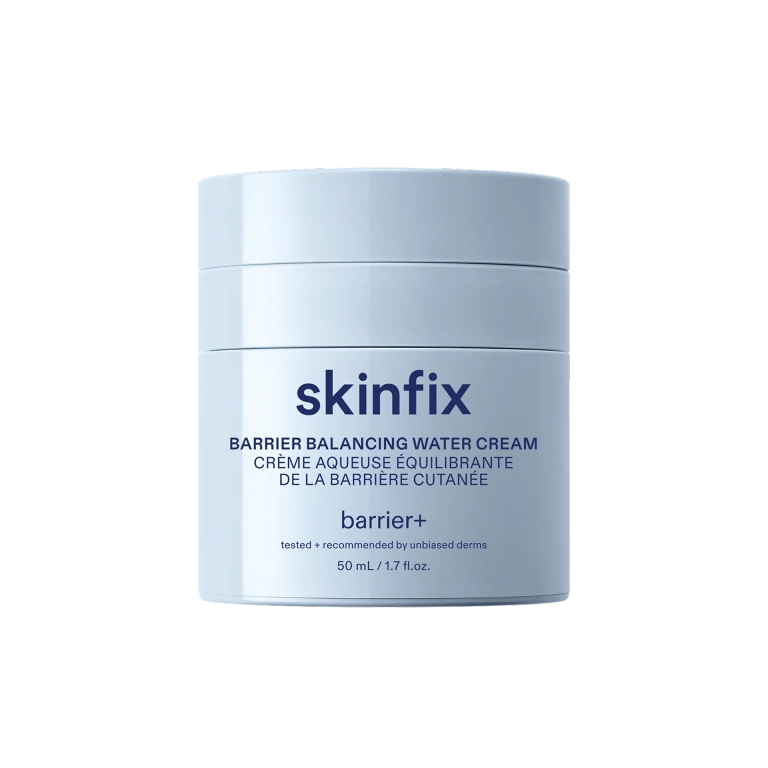
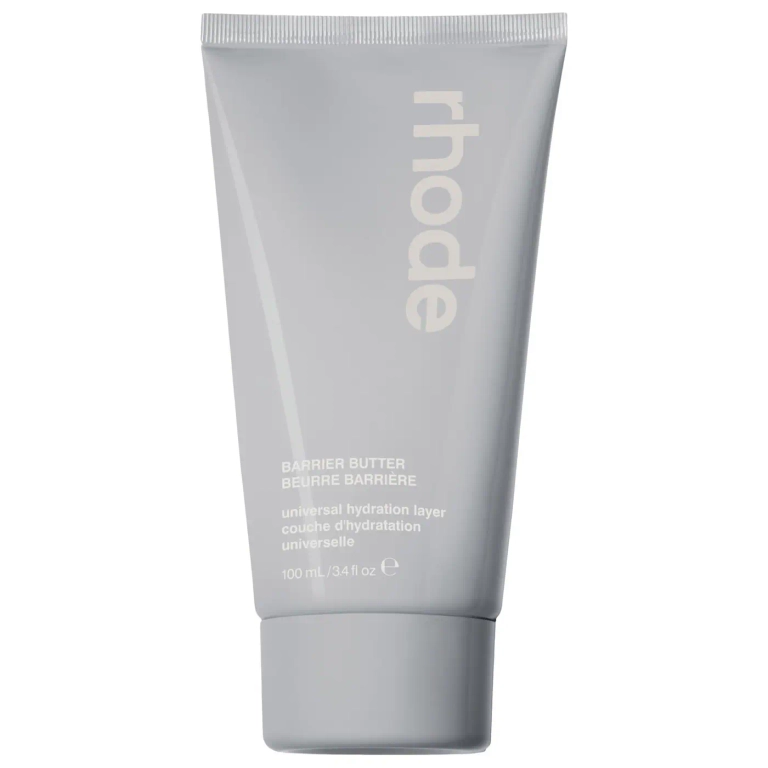
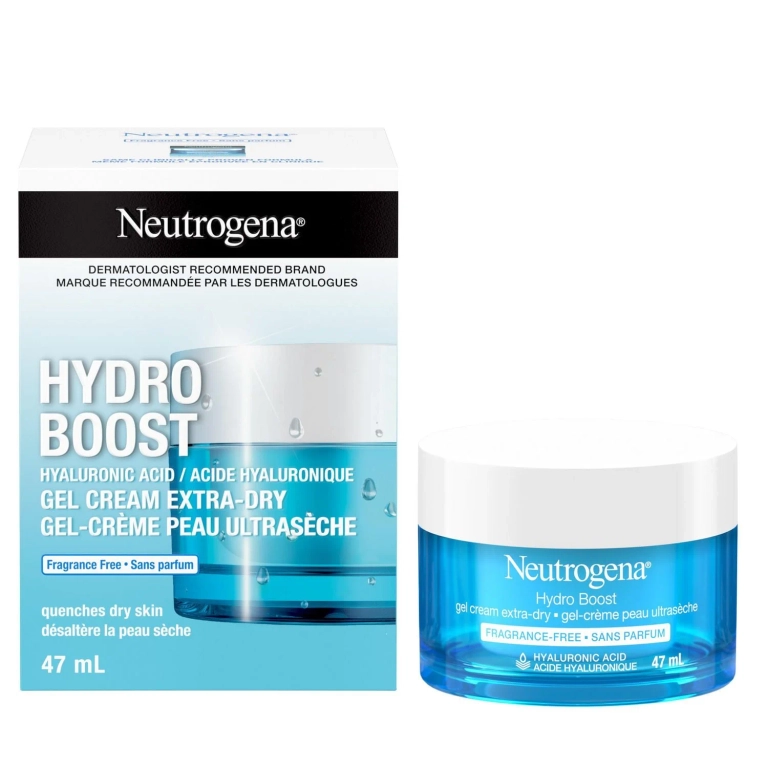
When To Go Pro
If your skin throws a tantrum every winter, it might be time to call in backup. “Many people refer to winter as ‘laser season’ because it’s a good time to treat the skin when you are less likely to be getting as much sun exposure,” says Beleznay. Treatments like microneedling and lasers can boost your barrier by encouraging collagen and helping products sink in deeper.
Her personal favourite? Skin boosters—microdroplets of hyaluronic acid injected just below the surface. “This treatment can provide longer-lasting hydration while improving texture and fine lines,” she says.
Another treatment, new-ish to Canada, is New Cellular Treatment Factor (NCTF), a Korean favourite. Injected into the dermis (the skin’s middle layer), it delivers a unique cocktail of hyaluronic acid, vitamins, minerals and amino acids to nourish from within—strengthening the skin barrier and enhancing moisture retention.
Barrier Boosters
These serums, mists and balms will flood skin with moisture while reinforcing your barrier for lasting bounce and glow.
Aestura ATOBARRIER365 Moisturizing Cream Mist, $29