
Everything You Need to Know About Hypochlorous Acid
All about the surprisingly simple spritz-and-go cleansing product—and the best ones to try now.
With warmer weather (finally) on its way, it can be tempting to start swapping out all your rich winter skincare staples for a more lightweight springtime routine. But if your skin’s anything like mine, it’s likely still recovering from a particularly harsh season filled with frigid winds, freezing temps and lots—and lots—of snow.
Thankfully, one simple skincare ingredient has quite literally revolutionized my beauty routine as it continues to rescue my skin from this past season’s harsh conditions. Plus, as a girly who loves a good facial mist, adding this multi-tasking hero product into my rotation was a no-brainer. Enter: hypochlorous acid, the secret skincare weapon you didn’t know you needed.
What is hypochlorous acid?
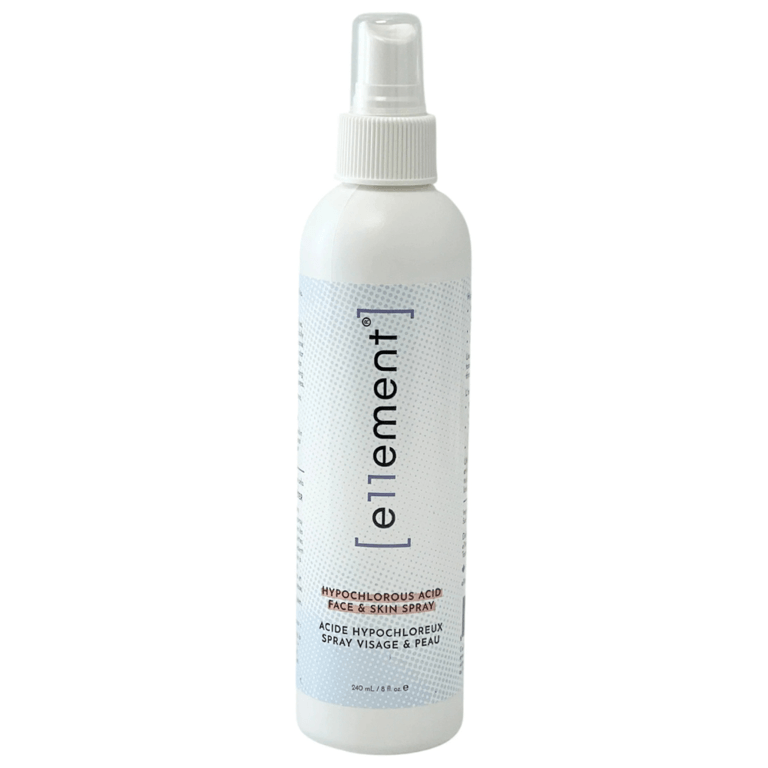
To understand what makes this naturally occurring acid so helpful, we spoke to Toronto-based dermatologist Dr. Renita Ahluwalia, who also works closely with e11ement—a family-owned Canadian skincare brand built around the power of hypochlorous acid.
Simply put, hypochlorous acid is an ingredient that “works with the skin’s biology instead of against it,” says Dr. Ahluwalia. This is because our skin actually produces the molecules that the acid is derived from itself as a way to naturally ward off bacteria and support healing.
“Instead of stripping the skin or making the skin cells aggressively turn over, it selectively reduces the harmful bacteria and inflammation while preserving the skin barrier,” continues Dr. Ahluwalia. As a result, the gentle ingredient (which is often presented in a simple spray bottle) is safe for all skin types and can be used by people of all ages, no matter their current skincare routine.
What does hypochlorous acid help with?
As mentioned, hypochlorous acid sprays have helped calm and soothe my irritated, winter-riddled skin this past season, but its hard-working cleansing ingredients are useful year-round.
Thanks to its anti-inflammation properties, Dr. Ahluwalia often uses the products on her patients who struggle with chronic acne, eczema, rosacea and other skin conditions. She notes that it doesn’t contribute to antibiotic resistance, is safe to use alongside retinoids and is extremely helpful for people with sensitive skin who may not be able to handle harsher products.
Since hypochlorous acid is also a natural disinfectant thanks to its antimicrobial properties, people often find it useful to spritz their face a few times after a workout or throughout the day whenever they need a little refresh but don’t have time for a full cleanse.
Its gentle quality and ease of use also make it extremely versatile, with Dr. Ahluwalia sharing that she often finds herself using it as a quick hand sanitizer or as a way to help prevent diaper rash on her kids, and she’s even heard of doctors spraying it on post-surgical wounds to reduce bacteria without harming healing tissue.
How can you add hypochlorous acid to your skincare routine?
While part of a hypochlorous acid spray’s charm lies in its ability to be used on-the-go, implementing the product into your daily skincare routine will be the most effective way to see its long-lasting, barrier-stabilizing results.
Dr. Ahluwalia suggests spraying the product on bare, dry skin before applying the rest of your ritual in the morning and again as the final step of your evening routine. “It’s a great way to refresh the skin after sleeping on it all night,” she says. “It’s also helpful to use it once before bed to get any additional impurities off at the end of the day.”
Her only flag is to avoid using a hypochlorous acid spray directly with any antioxidant-based products. Doing so won’t be particularly harmful to the skin, but the acid’s sanitizing properties may inadvertently neutralize antioxidants, so it’s recommended to simply wait until each product has dried on the skin before applying the next one.
To get the most out of its soothing and barrier-protecting benefits, Dr. Ahluwalia also advises using it alongside moisturizers that are gentle yet hydrating and specifically recommends those that contain ceramides, hyaluronic acids or niacinamides.
SHOP NOW
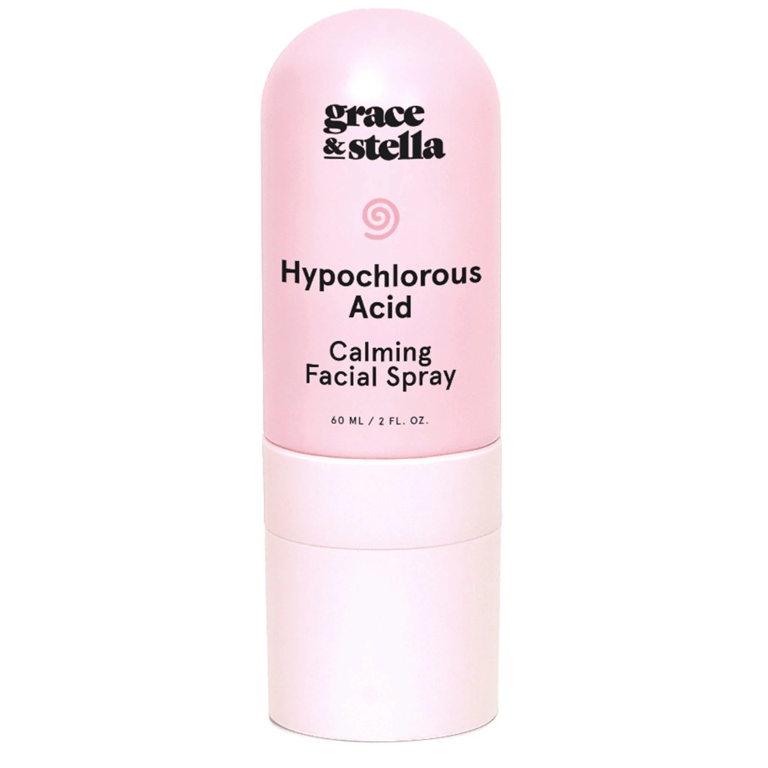
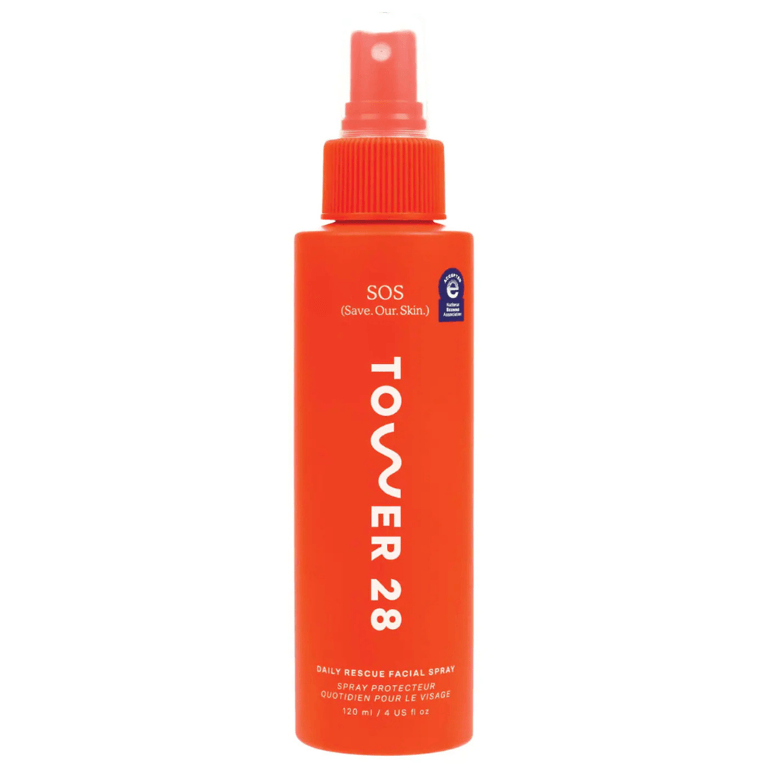
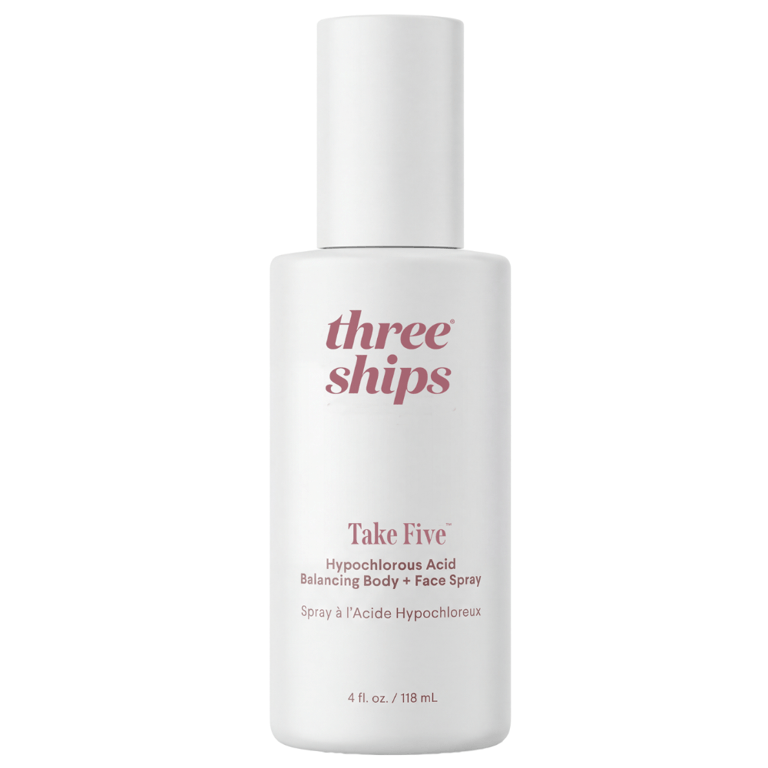
Whether you're looking for an on-the-go cleanser or an extra layer of barrier support, these are the very best hypochlorous acid sprays available in Canada.

Stephanie Davoli is the editorial assistant at FASHION Magazine. With a passion for all things fashion, beauty and pop culture, she’s inspired by fashion psychology, sustainability and industry innovations. Her previous bylines include The Toronto Star, Chatelaine and The Quality Edit. When she’s not working, you can find her shopping, taking a Pilates class or combing through the Vogue archives.