
Meet the Creative Director Behind Your Favourite Beauty Brands
Helen Steed has been helping to shape the visual identities of some of the biggest beauty brands in the world for almost 25 years.
“When I discovered creative direction, I realized it was a bit like being a visual sociologist,” Helen Steed tells me on a video call from her office in Los Angeles. For more than two decades, Steed has had a hand in some of beauty’s most influential brands, making magic thanks to a “combination of a special founder and a great idea.”
Currently, she leads her own L.A.-based creative agency, Steed + Friends. But she started her career at Bumble and bumble as design director and left a decade later as creative vice-president before becoming Glossier’s founding creative director, where she helped translate the beloved editorial platform Into the Gloss into one of beauty’s most well-known success stories. From there, she headed to creative agency Aruliden, where she worked on brands like Merit, Supergoop! and Backdrop on packaging, brand positioning and art direction.
As for her own beauty identity, Steed says she wasn’t much of a makeup or skincare girl growing up, though she recalls being exposed to the intriguing concept of a skincare routine (“beyond washing your face with soap or Clearasil,” she laughs) via a friend’s Clinique regimen.
“She had the products all lined up, and I remember thinking that was so chic.” That said, Steed and her sister “were obsessed with hair,” she explains, describing a bathroom full of styling tools and clouds of L’Oréal Paris Elnett hairspray. Later came art school in the U.K., a Britpop phase and a ritual of copying Linda Evangelista’s latest haircut.
When she moved from London to New York City in 2000, it’s no surprise that Steed found herself searching for one thing: a good haircut. Everyone pointed her in the direction of Bumble and bumble. Soon after, through a mutual connection, she heard about an opening on the brand’s design team. “It felt like all these little threads had led me there,” she says. During her decade at Bumble and bumble, Steed perfected her then signature short bob. What better place to do it, after all. “I always had short hair while at Bumble and bumble and was constantly dyeing it amazing colours,” she says. “When I left the brand, I grew out my grey hair. Then, when I moved to California, I wanted long, beachy California [waves]. It’s just always been about hair for me.”

During Steed’s time at the iconic hair brand, under Michael Gordon’s leadership, Bumble and bumble was doing everything—from marketing to education to hairstyling—under one roof. “We were building a world,” she says. It’s a concept that she brings up multiple times during our hour-long conversation. At Glossier, this world-building meant translating editorial storytelling into physical form. The brand understood, on a fundamental level, that consumers weren’t just buying products; they were looking for a fresh point of view.
“Emily [Weiss] wanted to create a destination,” says Steed of the magazine editor turned founder of Into the Gloss and Glossier. “Creativity wasn’t an arm of marketing; it was treated as its own thing.” Steed recalls that the speed with which the brand took off was intense.
When I discovered creative direction, I realized it was a bit like being a visual sociologist.
“What took more than a decade at Bumble and bumble happened in roughly three years at Glossier.” By then, she had developed an unwavering belief that the strongest brands begin with references and mood boards. “It’s not about documenting what exists,” she says. “It’s about saying ‘This is where we’re going.’” At Glossier, ideas and stories came first and the products followed. “There were writers and editors embedded in the creative process,” she says. “That’s what gave it depth.”
Today, that same philosophy and process still informs Steed’s work with brands. The first step is to understand a founder, then to learn their references and, finally, to uncover (rather than impose) a brand’s unique vision. “You want to get what excites the founder—to get under their skin a little and really see the magic they’re bringing,” she says.
Steed’s approach of listening and observing has shaped some of beauty’s most recognizable brands and projects—from Merit and Supergoop!’s packaging and visual identities to Rhode’s now-famous Lip Case.
So, what makes a beauty brand stand out in an overcrowded market? A unique vision, of course. “You can’t just hide behind things looking beautiful anymore,” says Steed. “People want to know why they should listen to you. A successful founder has to be a special type of person who has the resilience and confidence to just keep pushing through.”
Helen's Picks
The creative director's tried and true favourites.
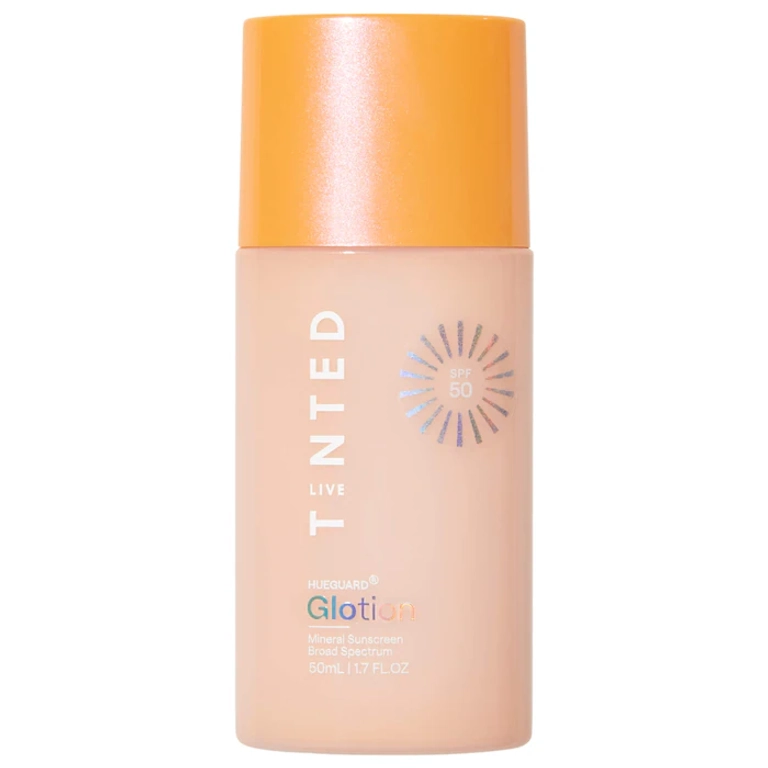
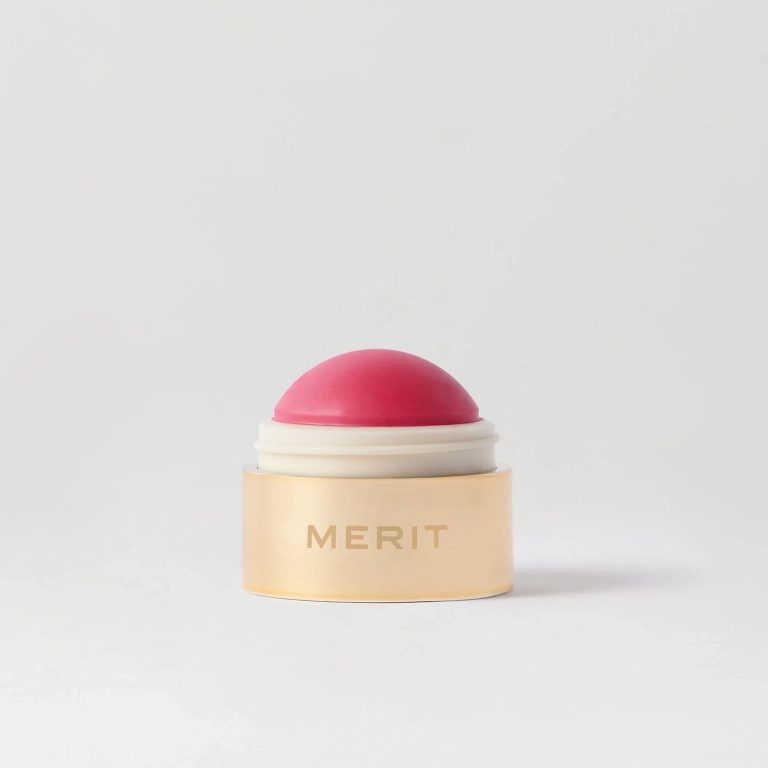
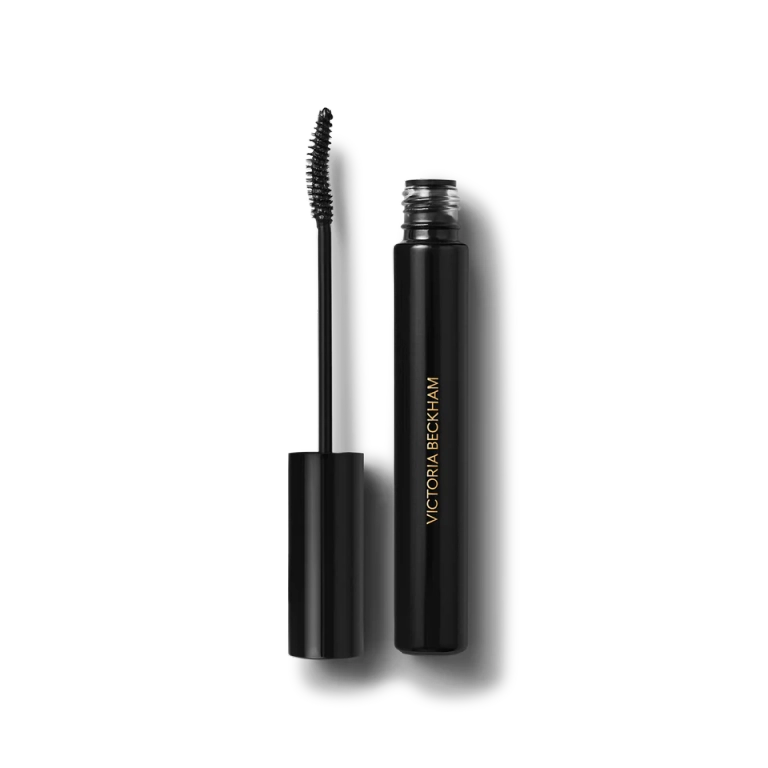
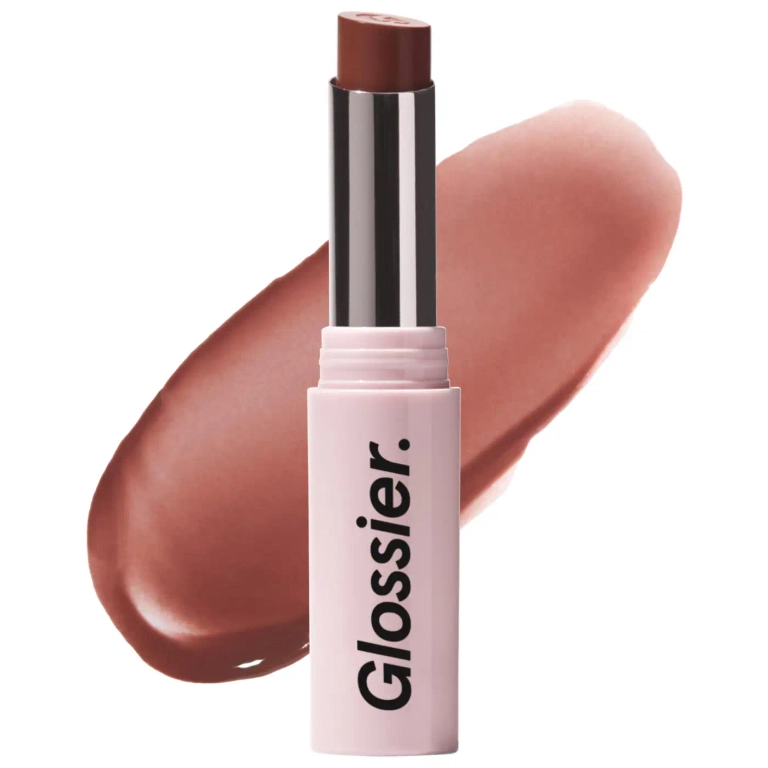

This article first appeared in FASHION’s September 2026 issue. Read more stories from FASHION’s September 2026 issue here and subscribe to the print issue here.

Souzan Michael Galway is a beauty editor and copywriter who has spent the last 15 years reporting on the beauty industry. She covers everything from innovative product launches and buzzy new ingredients to how evolving beauty trends reflect what's going on culturally. During her downtime, she can be found playground-hopping with her toddler and golden retriever.