For 31 Years Caudalie has Been Shaping the Clean Beauty Movement
From Bordeaux vineyards to Sephora shelves, Caudalie has evolved without abandoning its founding principles.
“We were clean before it was cool,” says Mathilde Thomas. The co-founder of beloved luxury skincare brand Caudalie—impossibly chic in a distinctly Gallic way—is speaking over video from the headquarters in Paris, where she and her husband, Bertrand, have transformed what began as a small company with just three products into a global beauty juggernaut. Perhaps most impressive is the fact that over the span of Caudalie’s 31-year existence to date, the brand has remained fiercely independent, family-owned and guided by its values.
Caudalie certainly was an early adopter of the clean-beauty movement. In 2006—well before the 2010s made “clean” a skincare marketing buzzword—the brand launched its CosmEthics manifesto: a dedication to eliminating ingredients it considers potentially harmful, including parabens, mineral oil, phthalates and sodium lauryl sulphate. Over the years, the brand has continued to add to that list, which has now grown to include nearly 20 banned ingredients. “We like to leave it open, but we’ve gone so far that I don’t see what else we could remove from our formulas,” says Thomas. “The last thing we removed was silicones, and it was complicated.”
Caudalie’s combination of naturally derived ingredients and clinically tested formulas has helped fuel the brand’s continued growth. In 2024, it’s estimated that the company did nearly $682 million in sales—an increase of approximately 15 percent from 2023.
Products like Caudalie’s brightening Vinoperfect range, which includes a serum, an eye cream, a night cream and more, have now reached cult status. Backed by clinical trials and beloved by dermatologists, Vinoperfect uses an active ingredient called Viniferine, which comes from grapevine sap. “It’s a unique ingredient because it’s been proven to be 62 times more effective than vitamin C but without the photosensitizing effects,” says Alix Ligot, Caudalie’s global marketing director, who works closely with Thomas on product formulation and strategy. “It’s a range that’s really backed by science.”
Caudalie’s story began humbly back in 1990, when Thomas’ parents purchased a Bordeaux winery called Château Smith Haut Lafitte. Thomas was 19 at the time and spent a lot of weekends and holidays at the estate. A few years later, in 1993, she and Bertrand (then her boyfriend, not yet her husband) had a serendipitous encounter with Joseph Vercauteren, the laboratory director of the Pharmacy University of Bordeaux. He mentioned to the young couple that grape seeds contain some of the most powerful antioxidants in the world.

“He told us, ‘Your wine is very good, but you shouldn’t trash the seeds; you’re trashing the most interesting part,’” recalls Thomas, who at the time was pursuing a career in perfumery. Those seeds, Vercauteren told them, contain polyphenols that are 10,000 times more effective than vitamin E at neutralizing free radicals. That conversation changed the course of Thomas’ life, sparking the inspiration for Caudalie: a skincare line that harnessed the magic enclosed within these tiny seeds. She and Bertrand partnered with Vercauteren to create innovative formulas and launched Caudalie in 1995. They were just 24. Caudalie takes its name from a wine term measuring how long a taste lingers on the palate—a nod to the brand’s vineyard roots and the enduring power of the grape at the heart of every formula.
“I have my Caudalie museum next door,” Thomas says with a smile, turning her camera to her right, where a window into a separate room reveals multiple shelves lined with older products—a brand archive of sorts. When asked if she ever goes in there to reflect on how far she has come, she nods. “Yes, and I wonder what I did,” she says, laughing, “because the marketing didn’t match our vision at the time.”

Caudalie’s formulas have always been the star of the show, but it was in the early 2010s, when the Thomas family spent a few years living in New York, that more emphasis was placed on branding. While the brand was sold through pharmacies back home in France, in North America, it was carried in high-end spas and Sephora, as is customary for derm-focused skincare. The contrast proved instructive, giving Thomas a master class in the importance of marketing. “We had to fight against competition that was better marketed and social media-friendly,” she recalls. “Plus, my daughters had grown and become teenagers, and they were pushing for a cool, young, modern repack.”
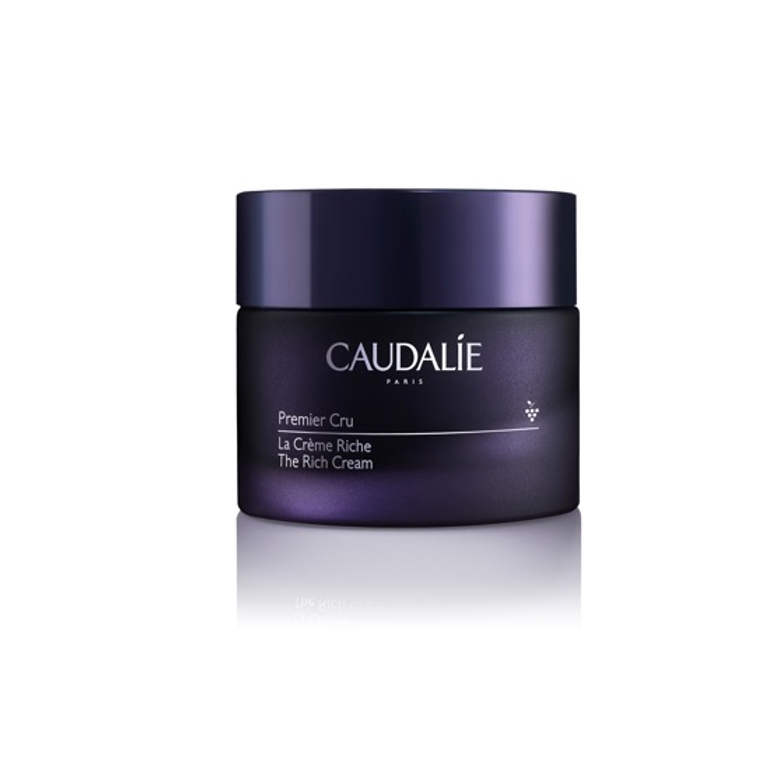
These days, aside from its beautifully minimalist aesthetic, which foreshadows the plant-powered efficacy of the products within, Caudalie’s packaging is also designed with sustainability in mind. The brand uses materials such as FSC-certified paper and wood, recycled or biosourced plastic and vegetable inks. Certain products—including the Firming Cashmere Cream and the Instant Brightening Moisturizer—are also refillable, allowing consumers to cut down on their own waste. And since 2012, Caudalie has partnered with 1% for the Planet, committing 1 percent of its annual revenue to reforestation initiatives worldwide.
Projects such as these are possible because the company is fully independent—able to be nimble and take risks and be led by its principles without having to answer to anyone else. “I am lucky that my husband knows how to count,” Thomas jokes when asked how Caudalie has stayed family-owned for so long. All kidding aside, though, that freedom is central to the brand’s success. In an industry of investors and takeovers and purchases, Caudalie remains refreshingly true to its origin story: a girl and a boy with a dream.
Shop Caudalie
Get acquainted with the brands most popular products.
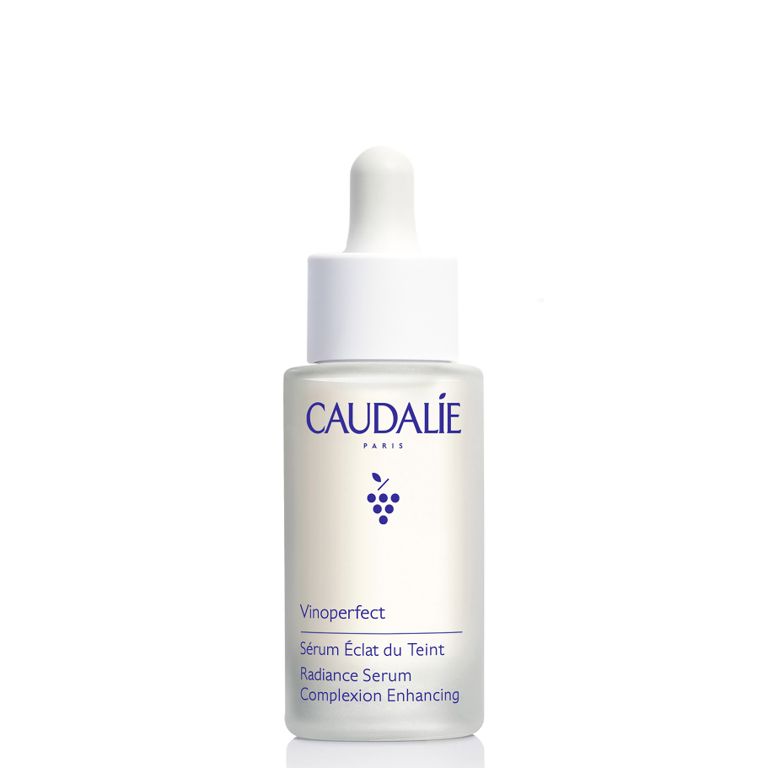
Vinoperfect Radiance Serum, $110
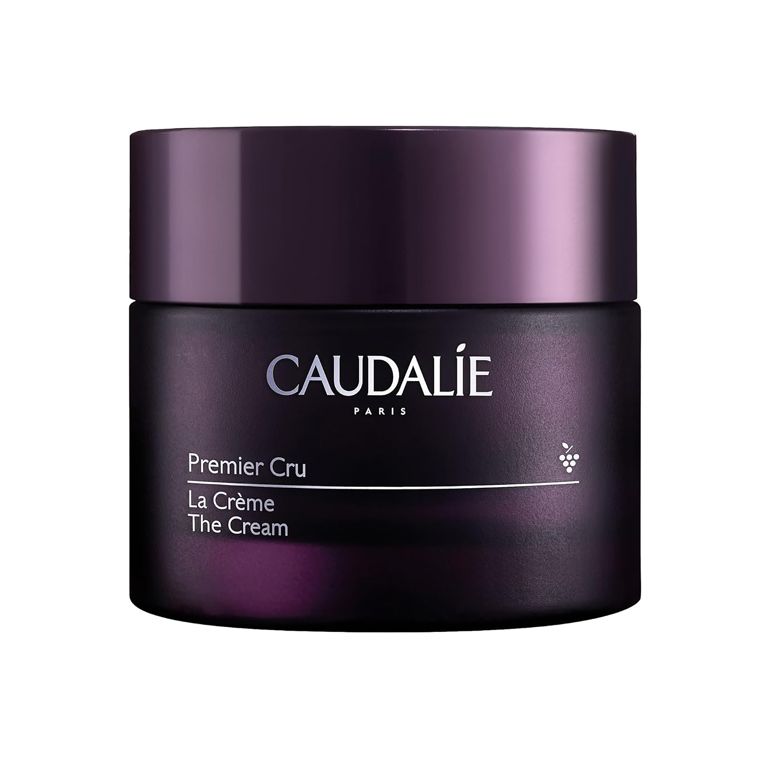
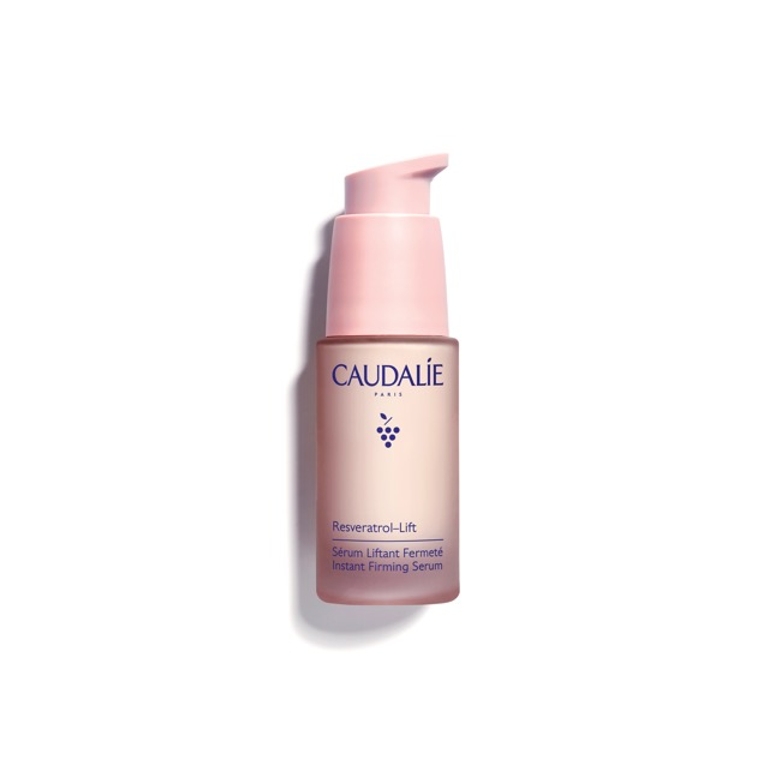
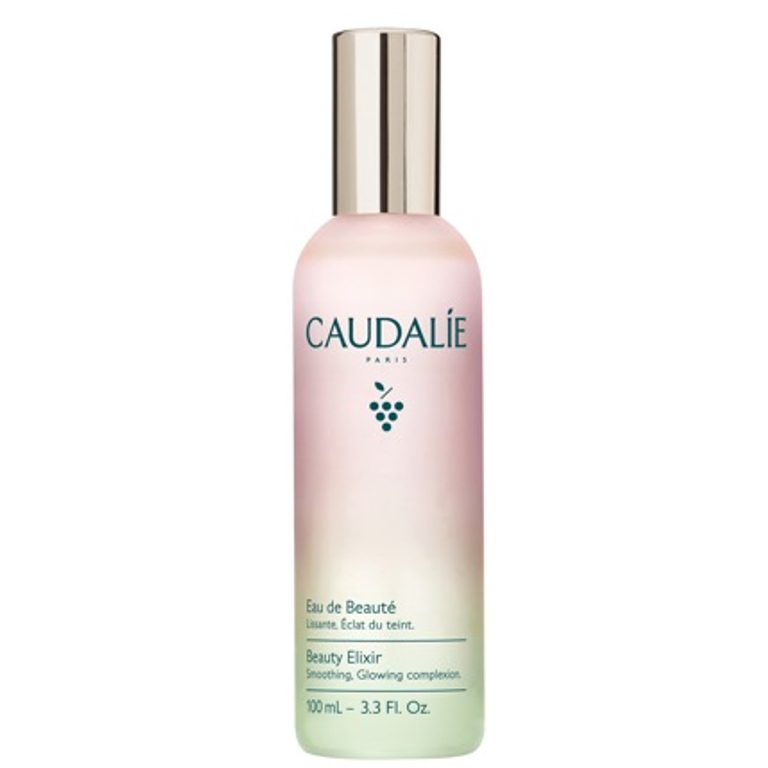
Beauty Elixir, $66