
Fibre is Fueling the Next Wave of Beauty Nutrition
It may not be glamorous, but experts agree that the secret ingredient to glowy skin might just start with what’s on your plate.
Some people rely on that first sip of coffee in the morning to kick-start their day. Others crack open a can of beans like it’s a wellness shot. Yes, beans—seriously. If you have wandered into #fibretok, you might already be familiar with this supposedly-gut-boosting trend that involves eating two cups of beans a day. For everyone else, welcome to the world of digestion-first beauty—where the secret ingredient to glowy skin might just start with what’s on your plate.
Fibre Frenzy
Much like protein’s explosion in popularity in recent years, fibre is quietly rising to fame—and not in a grandma’s-prune-juice kind of way. On TikTok, the gut-skin axis has become a full-blown obsession, with fibremaxxing videos racking up millions of views as influencers swap their whey powder for psyllium husk. That’s right—in 2026, fibre is suddenly trendy.
“In the past, people often only associated fibre with going to the bathroom, so we didn’t recognize all of these other benefits,” says Lotta Andonian, a Santa Monica-based registered dietician who specializes in longevity. She notes that research into the essential nutrient has also been steadily growing alongside the TikTok hype. Recent studies have shown that a higher fibre intake can steady blood sugar, and other research suggests that it may also support a stronger, healthier skin barrier.
Inside Out
Turns out, the key to radiant skin isn’t just another essence or overnight mask—it’s all about what happens after your lunch hits your large intestine. Glamorous? Absolutely not. Effective? The evidence is pretty convincing. Here, helpful bacteria transform fibre into short-chain fatty acids—tiny particles that act as little messengers to keep the gut calm and the skin happy. A 2021 study published in Genome Medicine discovered exactly this by finding that people who eat more dietary fibre tend to have lower levels of C-reactive protein—a marker of chronic inflammation. Left unchecked, chronic inflammation can wreak havoc on the body by accelerating signs of aging, increasing the risk of disease and dulling your skin from the inside out.
“A healthy gut, an intact gut barrier and the absence of inflammation are all good for your skin,” says Dr. Jennifer Pearlman, a Toronto-based physician who focuses on a “longevity approach” to regenerative medicine. “Reciprocally, if you’ve got issues like leaky gut syndrome or dysbiosis, you can see inflammation through concerns like rosacea, eczema and acne.”
Basically, think of fibre as the glue holding many of the body’s beauty systems together. According to Andonian, when the digestive system is working well, internal stressors are kept at bay while vitamins and minerals that are needed for strong hair and nails are given a chance to be properly absorbed.
Beyond Beauty
Fibre isn’t just working overtime on your skin barrier—it’s also quietly boosting your mental well-being. Thanks to the gut-brain axis, what you feed your microbiome might influence how your brain feels and functions. Studies suggest that a well-fed gut calms neuroinflammation, which messes with mood regulation. “Fibre is not a cure, but its anti-inflammatory properties can help our neurons and brain chemistry work a little bit better,” says Andonian. There’s also a growing body of research suggesting that fibre may play a role in fitness. By helping regulate blood sugar and support metabolic health, a fibre-rich gut may keep your energy levels steadier and aid in muscle recovery. It’s not a direct performance enhancer, like creatine, but a well‐fed microbiome can set the stage for better workouts.
Most importantly, fibre is strongly linked to better colon health—and with colon-cancer diagnoses rising among young adults, there’s never been a more crucial time to pay attention to our intake.
Roughage It Up
Even with fibre’s glow-up, many North Americans still fall short on consuming enough of the nutrient. Health Canada reports that most Canadians typically only get about half of the recommended daily intake, which is 25 grams for women and 38 grams for men. Part of this gap comes from diets heavy in convenience and refined foods, and Pearlman notes that many adults aren’t eating enough fruits and vegetables.
Still, experts caution against the use of supplements unless they’re needed for specific dietary reasons; the better bet is a whole-foods approach. “We don’t get enough plants, and the plants we do eat are often highly processed and may be denuded of their value and fibre,” notes Pearlman, who strongly recommends a plant-focused approach to nutrition for its digestive-boosting and overall health benefits.
The good news? It doesn’t have to be difficult. Both Pearlman and Andonian recommend keeping things simple by opting for accessible fibre-rich foods like legumes, oats, berries, barley and other vegetables. “There are so many inexpensive sources. It doesn’t have to be some superfood supplement that costs a fortune,” says Andonian.
But, of course, you can always have too much of a good thing. Going from zero to #BeanGirl overnight can spark bloating, gas and other gut theatrics, so ease in—particularly if your fibre intake has been minimal. In short, watching this TikTok trend from a safe distance may be the real power move. No judgment.
Need a Boost?
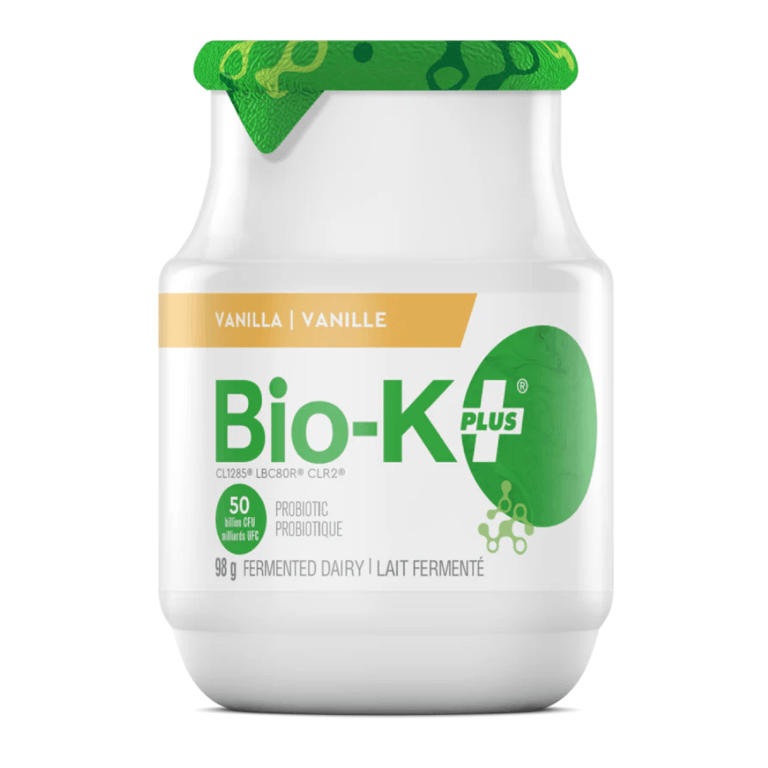
When a food-first diet isn’t cutting it, consider these expert-approved supplements to help you meet your daily-fibre goals.
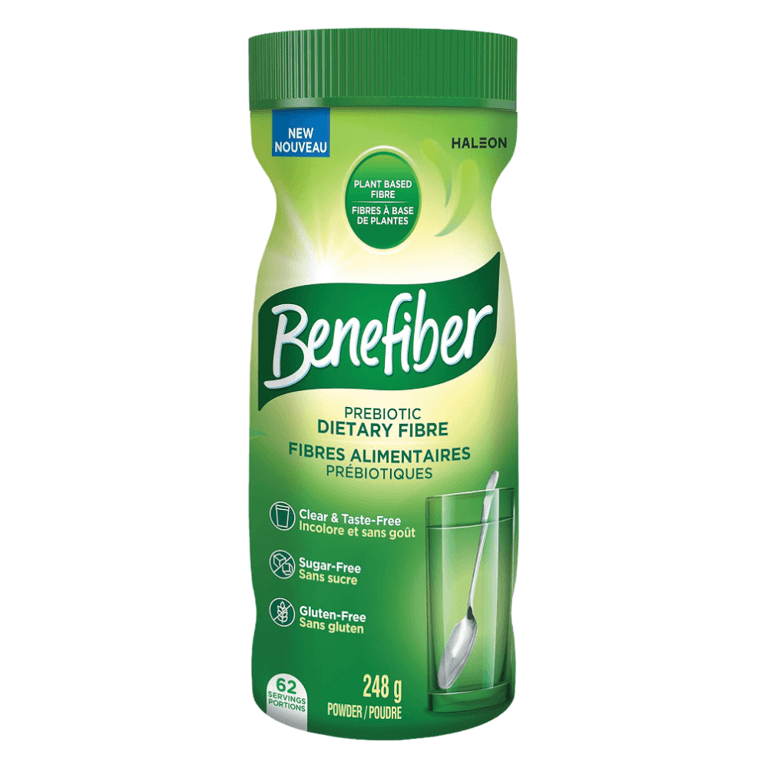
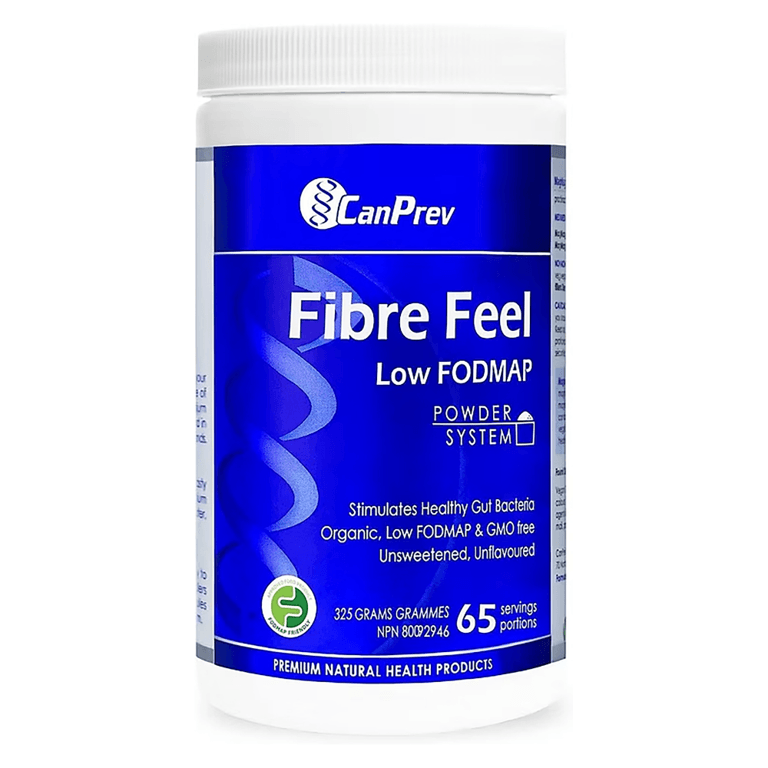
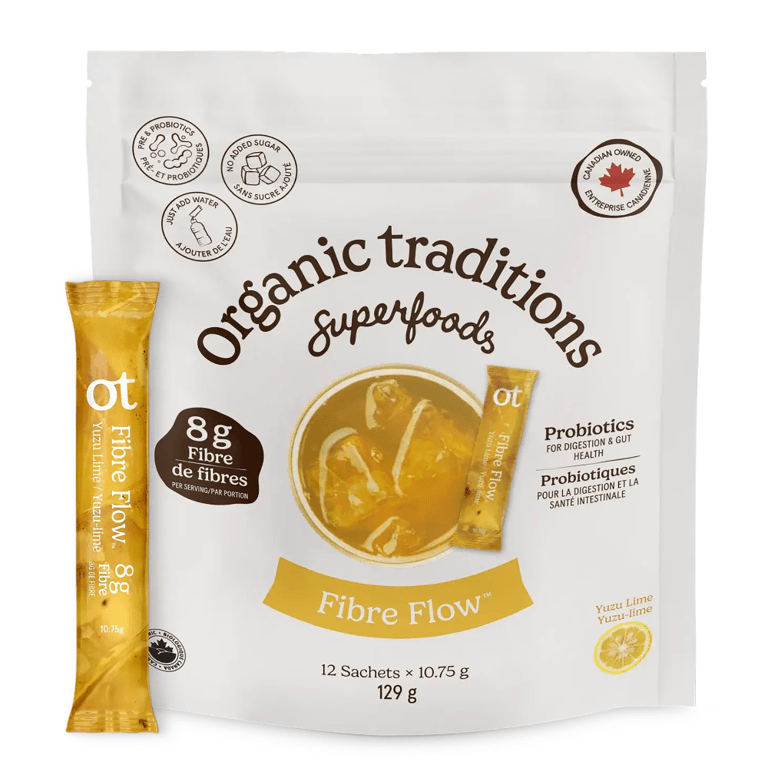
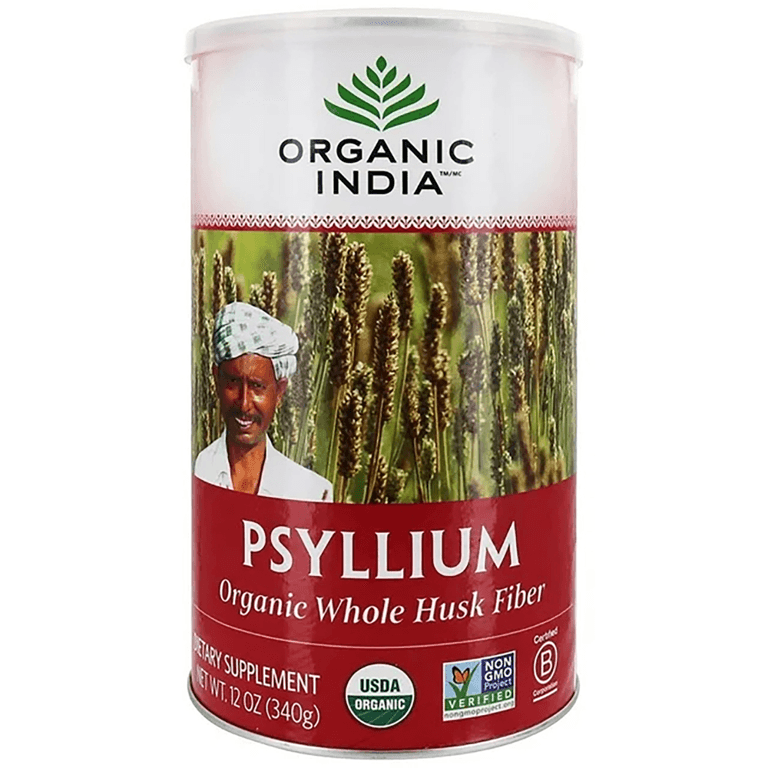
This article first appeared in FASHION’s April 2026 issue. Read more stories from FASHION’s April 2026 issue here and subscribe to the print issue here.

Stephanie Davoli is the editorial assistant at FASHION Magazine. With a passion for all things fashion, beauty and pop culture, she’s inspired by fashion psychology, sustainability and industry innovations. Her previous bylines include The Toronto Star, Chatelaine and The Quality Edit. When she’s not working, you can find her shopping, taking a Pilates class or combing through the Vogue archives.