
Face the Future With These Skincare Technologies
From high-powered masks to next-level facial systems, today’s at-home skincare devices deliver real payoff—if you know what to buy.
We’re living in the age of plug-in beauty. Where high-tech skin tools once lived behind medi-spa doors, today’s most coveted devices arrive straight to your doorstep—sleek, rechargeable and ready to take up residence on your nightstand. Alongside their curated skincare routines, beauty devotees are reaching for LED masks or microcurrent wands multiple times a week. But as the category explodes, so does the noise, making it harder to separate real innovation from simply good marketing.
“I think that any advancement that increases affordability and accessibility to science-backed treatments is a win,” says Dr. Danny Guo, a Calgary-based dermatologist. He points to LED masks and LLLT (low-level light therapy) hair-loss devices as some of the category’s biggest successes.
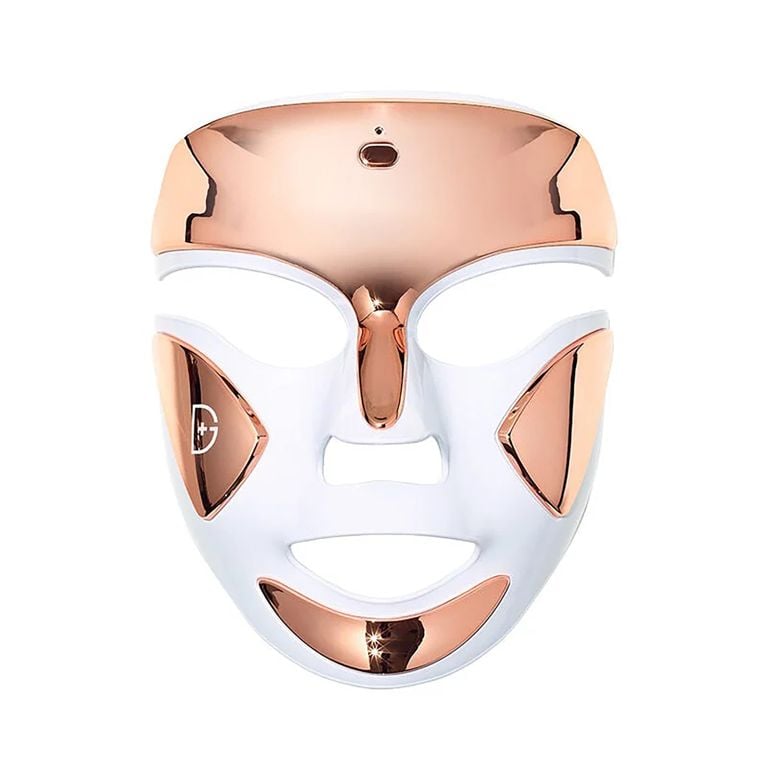
That legitimacy didn’t happen overnight. Long before LED masks became a TikTok staple, Dr. Dennis Gross, a New York City based dermatologist, was already using the technology in his practice and betting on its future at home. In 2018, he and his wife, Carrie, co-founder of Dr. Dennis Gross Skincare, launched the DRx SpectraLite FaceWare Pro mask, the well ahead of the current wave. “I first began using LED technology because of its ability to stimulate collagen, decrease inflammation and treat acne effectively,” says Gross. Once it became possible to deliver a powerful dose safely at home, the duo moved quickly. “Our goal was to take a piece of my office and make it accessible to everyone,” he shares.
Still, not every glow-getting gadget deserves your time—or credit card. “Jumping on the hype train, some brands develop tools that don’t have scientific evidence or the same efficacy as their clinical counterparts yet are marketed as such,” Guo says, noting that when devices fail to deliver, it breeds consumer mistrust.
Joanna Auguste, a Toronto nurse practitioner and the owner of The Face Lab, sees this as part of a broader shift in habits. “At home devices have matured from novelty tools into legitimate adjuncts to professional care, as consumers have become more savvy,” she says. “That said, in my experience, they’re supportive, not transformative.” Guo echoes that sentiment, calling devices a “second stage” investment, once the basics—SPF, retinoids, antioxidants and moisturizer—are in place.
How These Gadgets Went Big
The at-home-skincare-device category has grown far beyond the Clarisonic era of the late 2000s. According to Global Market Insights, the industry was estimated at $32.4 billion in 2025 and is projected to surpass $100 billion by 2035, signalling that tech driven skincare is here to stay.
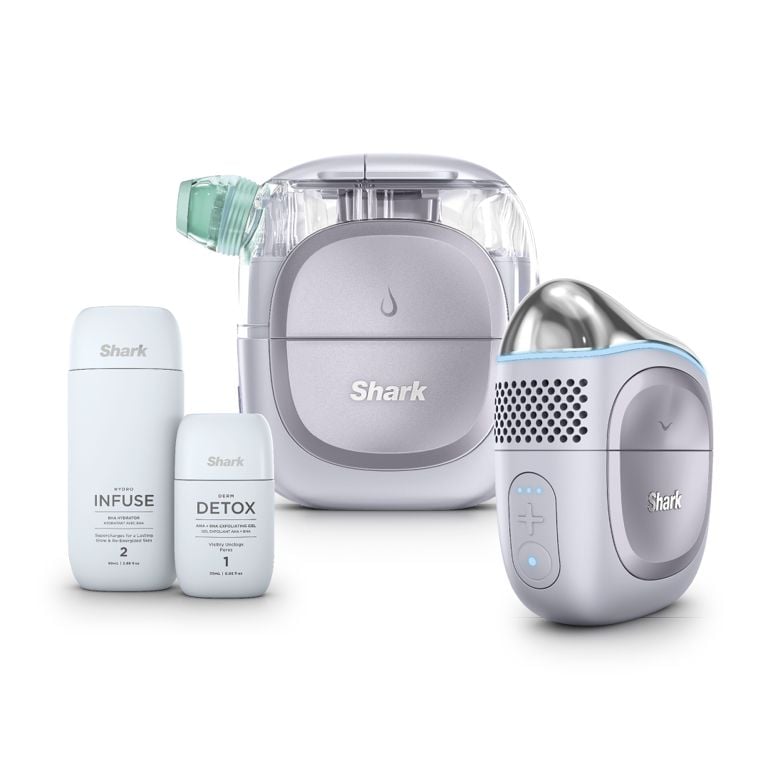
That momentum is also reshaping the beauty aisle, with brands raising the bar for at-home options. Last year in the U.S., Shark made waves with the launch of its FacialPro Glow, and the device will land on Canadian shelves this June. Created in collaboration with dermatologists and aestheticians, it’s a five-step system that functions like a DIY Hydrafacial, combining exfoliation, extraction, de-puffing and hydration in one streamlined machine.
“The dominant trend we observed for 2025 was hydration, a universal need across all skin types,” says Danielle Lessing, SVP, chief roadmap and innovation officer of product development at Shark. The team created the FacialPro Glow by using extensive consumer feedback and testing over 100 prototypes across more than 800 faces to refine the design and experience. “It’s about democratizing beauty—offering solutions that are straightforward, safe and accessible,” Lessing adds.
Consistency is Everything
Product performance ultimately comes down to consistency. A device you’ll use three to five times a week beats one (or two or three) sitting in a drawer and gathering dust. Think repetition over intensity. “The benefits build with daily use,” says Gross. And remember: At-home tools should complement professional treatments, not replace them. As Guo puts it, much of what people hope to achieve can come from having a solid, consistent routine.
Shop Now
These tech-forward tools pass the science check and look pretty cool on your vanity.

This article first appeared in FASHION’s April 2026 issue. Read more stories from FASHION’s April 2026 issue here and subscribe to the print issue here.

Emily MacCulloch is a freelance beauty writer and editor based in Halifax, N.S. Along with co-founding the digital beauty platform The T-Zone with fellow writer Ingrie Williams, she’s a regular contributor to some of Canada’s top titles, including FASHION, Chatelaine, Elle Canada, The Toronto Star and more. When she’s not feverishly swatching lipsticks, you can find her deeply immersed in a pop culture podcast or window shopping with her frenchie, Gertrude.