
Retinol, Explained: A Beginner’s Guide to Using the Beloved Ingredient
Everything you need to know about the skin-smoothing ingredient.
Swarming with lengthy scientific terms and new ingredients du jour emerging every couple of months, the skincare sphere can intimidate even the most seasoned of beauty aficionados. Whether you’re a skincare novice or simply looking to refine your skills, retinol is the star ingredient everyone should get to know.
Retinol is the overachiever of the skincare world. This multi-tasker not only dusts off pigmentation, ramps up skin renewal and boosts collagen, it also blitzes blemishes too. Born in the derm’s office, this vitamin A powerhouse remains the unrivaled star ingredient for anti-aging results. But what exactly is it and how does it work its magic? Celebrity facialist (to Lenny Kravitz, no less) Vee Mistry lays it all out in this beginner’s guide to retinol, below.
What Is Retinol?
Plainly put, retinol is a derivative of vitamin A that Mistry explains is often found in skincare. “Vitamin A, within the skincare world, is probably the most studied vitamin, and that’s why they always refer to it as the gold standard,” she says. “There is the most amount of data, clinical trials and white papers really championing its ability to go on the skin.”
You’ve probably also heard of “retinoids,” which is an umbrella term for all vitamin A-based chemical compounds. While a doctor may prescribe more powerful retinoids such as tretinoin and adapalene, retinol is the over-the-counter alternative that is most commonly used—especially for beginners.
How Retinol Works And What It Does
So, what’s with all the hype? “Our skin naturally turns over and sloughs off every 25 to 28 days when we’re in our early 20s and younger,” says Mistry. This keeps our complexion looking soft, smooth, and free of fine lines and texture. As we age out of our 20s, retinol is the youth-preserving potion that accelerates that cellular turnover and gives the skin the extra nudge it may need.

“From a science perspective, vitamin A can penetrate through that first layer of skin, the stratum corneum,” Mistry explains. “Then, it penetrates a little bit deeper, turns itself into retinoic acid, and through that process, it helps stimulate collagen and elastin, which is basically the scaffolding of our skin. Elastin keeps the skin nice and firm and tight, and collagen helps keep the volume of the skin really bouncy and juicy.”
Who Should Use Retinol?
“When you look at retinol, it’s an ingredient that can be utilized by almost all individuals, right across the board,” the facialist tells me. “It is very much a hero ingredient for anybody and everybody, but I would say it’s primarily for people late 20s, early 30s and up.” In addition to those concerned with aging skin, she also says this coveted ingredient works well on acne-prone skin types, as the cellular turnover will simultaneously decongest and unclog pores.
How to Use Retinol in Your Skincare Routine
Retinol may be the holy grail of skincare, but it’s also a bit of a diva—it demands respect. Start slow (very low, like 0.1% to 0.3%) and let your skin ease into it. Think of this as a long-term relationship, not a one-night stand. Begin with a low concentration a couple of nights a week and build up once your skin stops throwing tantrums.
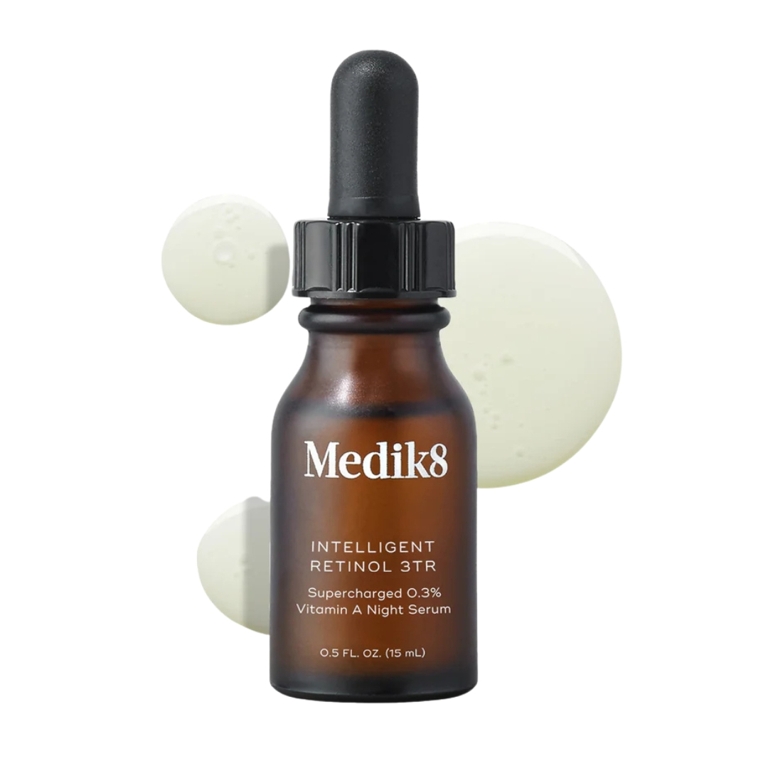
Mistry’s recommended routine for beginners? Use a retinol-infused serum or cream once a week before your moisturizer step—only at night—for the first two weeks. This will ensure that your skin isn’t “traumatized” by that cellular renewal and won’t become irritated. Then, add in a second night, give your skin more time to acclimate, so on and so forth. Products with smaller concentrations of retinol, like Medik8’s Intelligent Retinol 3TR serum, are a great place for beginners to start.
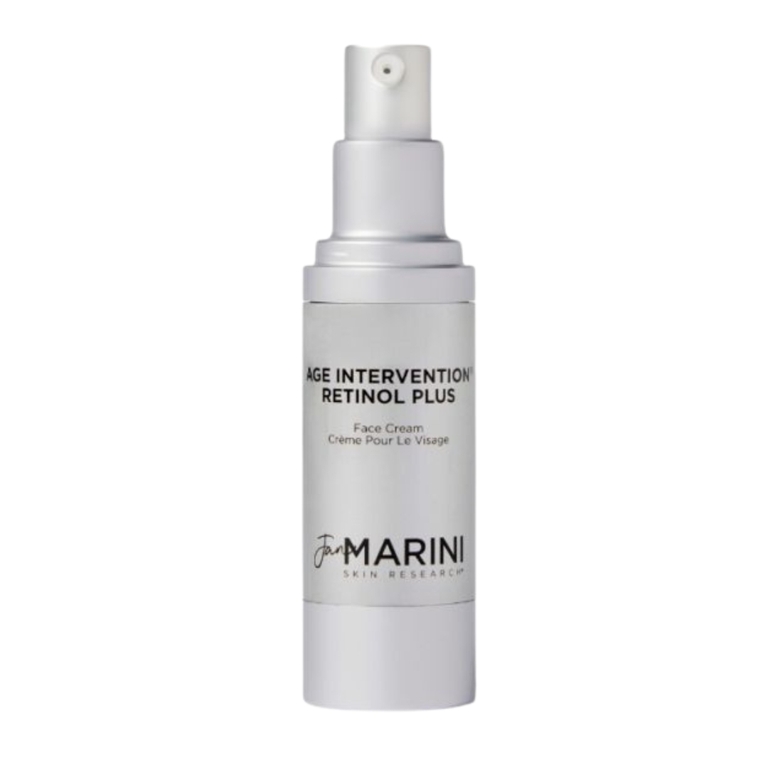
As for Mistry’s personal recommendations, she’s been a fan of the Jan Marini Skin Research Age Intervention Retinol Plus face cream for years. Why? It’s packed with other skin-loving ingredients, like peptides and ceramides, for added benefits. “This allows not just the vitamin A to accelerate the cell turnover, but it also has hydrating properties that help strengthen the skin,” she says. “Your skin is like your gut. When we eat our meals, we try to eat an array of the food groups, because we know we need that nourishment. Your skin should be nourished in exactly the same way.”
Retinol for Beginners
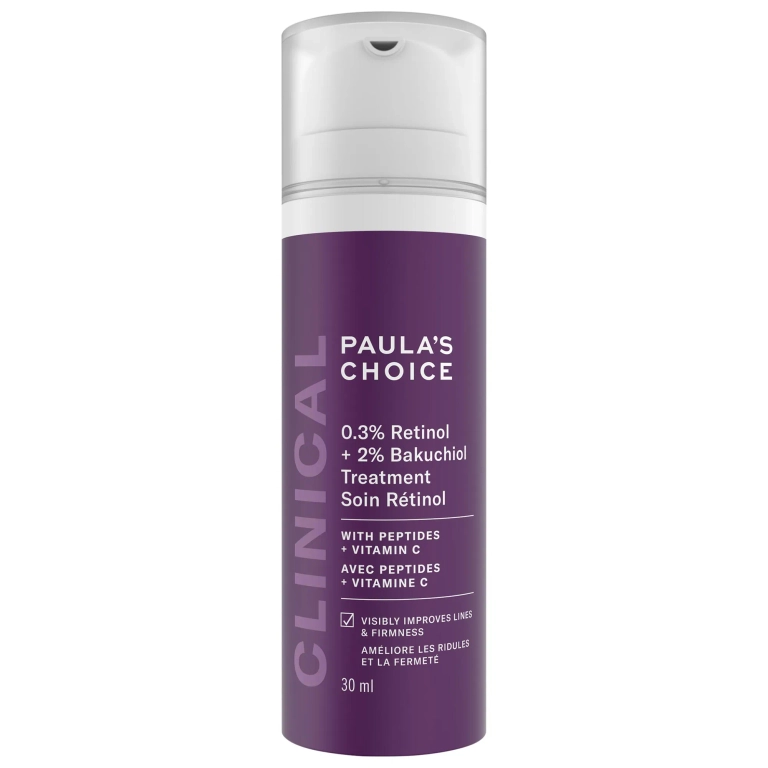
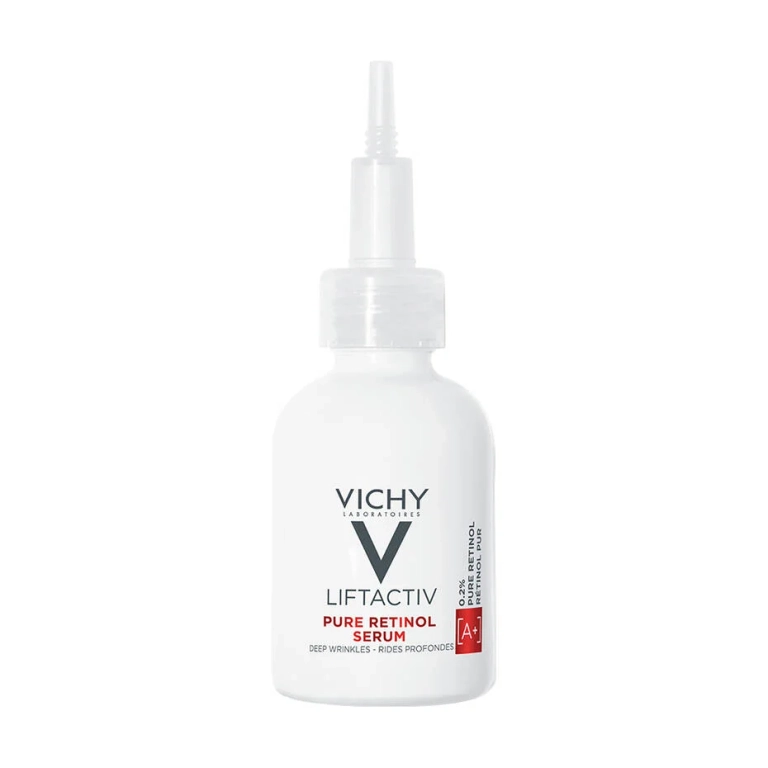
Looking to introduce retinol to your routine? Shop these glow getters.
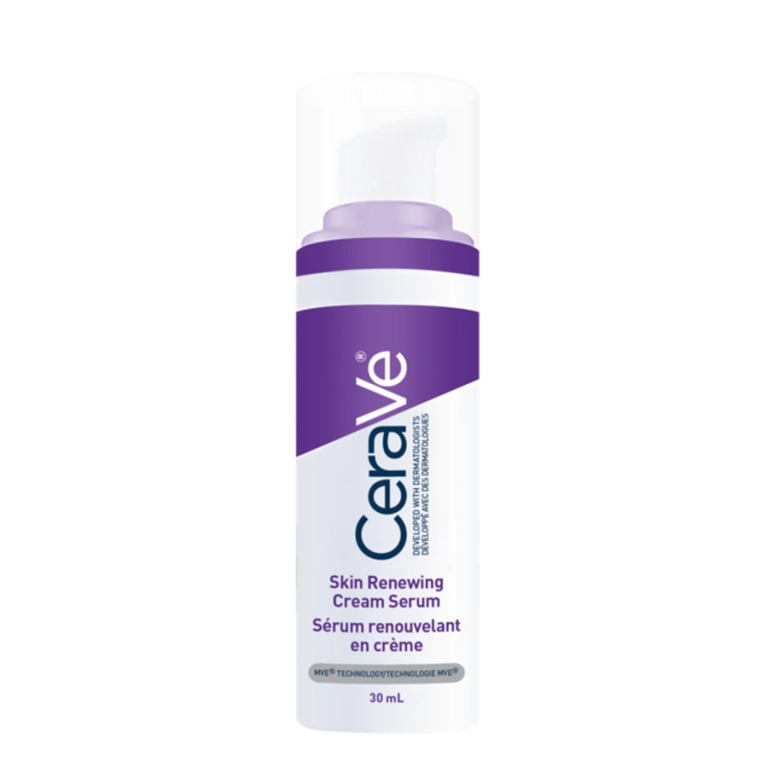
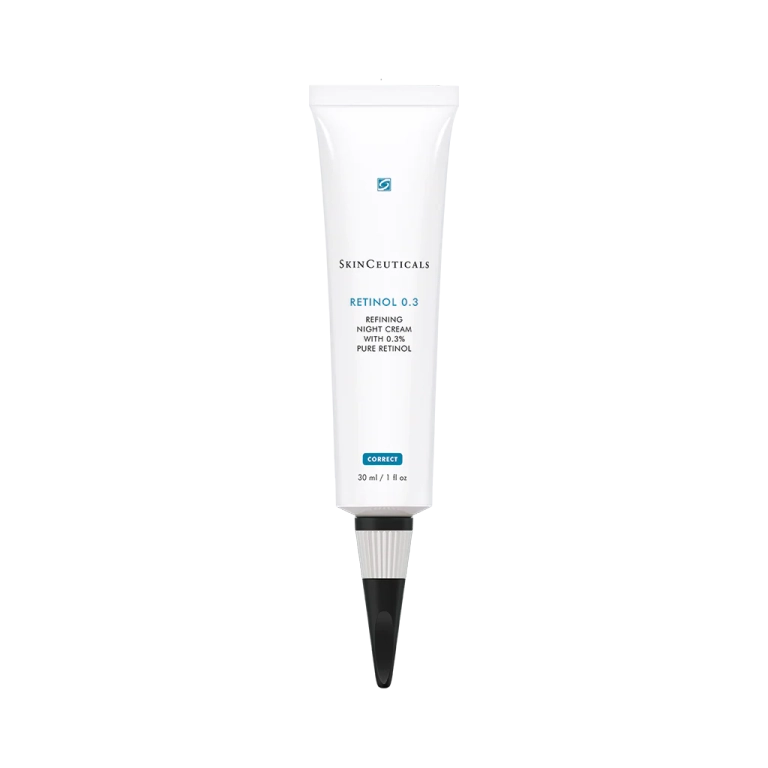
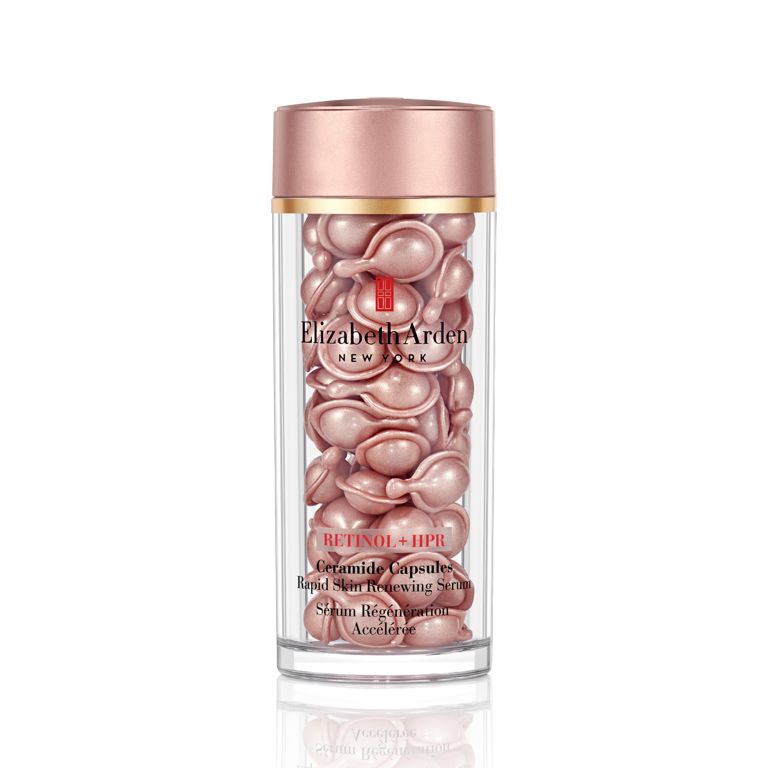
And when it comes to application, less really is more. You only need a pea-sized amount spread evenly across your face—eyes, nose creases and lips included—without overdoing it. Some nights, even pros take a break from full strength, layering moisturizer first as a buffer for extra protection.
What Not to Do With Retinol
Although you’ll work your way up to becoming a retinol regular over time, Mistry urges beginners to ease into using this powerhouse ingredient during the fall and winter months. This way, you’ll bypass high sun exposure and potential skin damage. Keep it nocturnal for the same reason. Save it for your nighttime lineup and wake up with skin that’s more glow than growl.
“You also want to avoid layering this product, the retinol itself, with any other acids,” she warns. BHA-packed face washes? Glycolic acids? Lactic serums? Not on the nights you’re wearing retinol. And, as always, remember to wear your SPF.“If at any point you add in an extra night and your skin is peeling, it’s red, it’s irritated, or it’s tingling, pull back. More pain doesn’t mean that it’s working better,” says the expert. “Go slow and steady, and allow your skin to acclimate.”
Just remember, hydration is your best friend when you’re using this potent active. Pair your retinol with barrier-loving ingredients like hyaluronic acid, niacinamide, or ceramides to keep things smooth and calm. If your skin leans sensitive, stick to the cream-based or encapsulated formulas—they tend to be gentler and more forgiving.
This article contains affiliate links, so we may earn a small commission when you make a purchase through links on our site at no additional cost to you.
Lauren Knowles is FASHION Magazine’s digital beauty writer. If she’s wearing it, it’s neutral — but her minimalist taste doesn’t mean she’s not tuned in to what avant-garde trends are hot on the runway or in the works backstage with the beauty pros (she’s pinning it all to a virtual mood board for future reference). This Bahamian-born creative also has bylines in Elle Canada, Hypebae, and CBC.