
Scar Removal 101: Treatments for Every Kind of Scar
Scars don’t define you—but you can redefine them.
If you’ve ever found yourself staring a little too long at a mark on your face and then starting to spiral, welcome—you’re in good company. Scars are the great equalizer. Almost everyone has them; plenty claim they “don’t care” yet somehow still end up Googling how to erase them at 2 a.m. The tricky thing about scars is that they’re stubborn. Plus, we talk about them as if they’re a single entity, but they’re wildly nuanced. “Broadly speaking, scars can be categorized based on their thickness,” says Dr. Linda Xing, a dermatologist and Mohs micrographic surgeon and medical director at Rejuvenation Dermatology in Oakville, Ont. Each type behaves differently, responds to different treatments and carries a unique backstory in your skin.
Topicals can help—but only to a point. The good news? Most scars are highly improvable—once you understand what you’re dealing with. The biggest results come from in-office treatments. First, identify the scar, and then match it to the right fix.

Hypertrophic
These scars are the textbook mark (common after surgery, cuts or burns). “They tend to be firm and stacked with more collagen than your skin actually needs, giving them that raised appearance,” says Erica Fung, managing director at 30 Hazelton, a chic new medi-spa in Toronto. Their unruly cousins, keloids, have no such respect for boundaries. They push past the site of the injury and often develop what Xing describes as a “crab claw-like appearance” at the edges—an overgrowth that’s more common in darker skin tones.
Treatment Plan
These raised scars respond best to interventions that calm collagen. “Thick scars respond well to steroid injections, silicone gel or sheets and lasers,” says Xing, who turns to pulsed dye and fractional resurfacing lasers when tackling texture.
“If it’s raised, the only way to flatten it is by resurfacing lasers,” adds Fung, who leans on CO2 resurfacing as her power move here, explaining that the newer generation of CO2 devices “lets practitioners control the settings” so that they can treat raised scars without causing unnecessary trauma.
Atrophic
On the opposite end of the spectrum are these “depressed” scars—the dents and divots left behind when there isn’t enough collagen to rebuild the skin properly. They’re the pitted acne marks, chicken pox memories and makeup-sabotaging indentations that sit below the surface like tiny sinkholes.
Treatment Plan
Indented scars need the opposite: a collagen comeback. Microneedling, fractional lasers, chemical peels and subcision (a quick procedure that helps lift indented scars by loosening the tight bands pulling the skin down) create controlled injuries to rebuild support beneath the skin.
At 30 Hazelton, Fung ups the ante with a Korean-inspired “sandwich” technique: “We do Red Touch laser to target the collagen fibres and then CO2 resurfacing,” she explains. For deeper skin tones, she adjusts the plan by having clients use hydroquinone—a melanin inhibitor—for a few weeks beforehand to minimize pigment risks.
Xing takes a similar approach with patients who have more melanin. After a cycle of hydroquinone, she turns to microneedling or carefully calibrated energy-based-devices resurfacing once the skin is primed. She says the goal isn’t to avoid procedures on darker skin—it’s to go slower, use lower settings and stack treatments strategically to prevent unwanted pigmentation.
Microneedling, fractional lasers, chemical peels and subcision create controlled injuries to rebuild support beneath the skin.
Post Inflammatory Hyperpigmentation and Erythema
Pigment-based marks often get mistaken for scars, despite being more of a cosmetic nuisance than a structural issue. These include post-inflammatory hyperpigmentation (PIH), which shows up as brown spots, and post-inflammatory erythema (PIE), those lingering pink or red dots that stick around after a breakout. “These usually fade over months and respond well to skincare and topical prescription treatments,” says Xing.
Treatment Plan
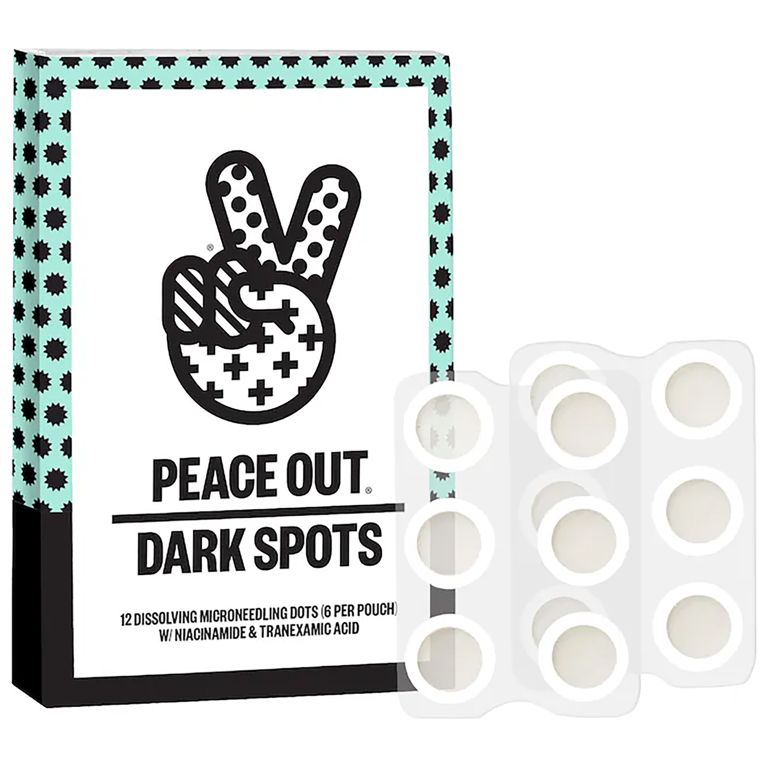
PIH responds best to brightening ingredients that interrupt melanin production and speed up cell turnover. These include active ingredients like azelaic acid, retinoids, vitamin C, niacinamide and alpha-arbutin, says Xing, who also recommends chemical exfoliants like glycolic and lactic acids to lift pigment from the top layers. For stubborn cases, she’ll reach for hydroquinone—but only “short-term under dermatology supervision.”
Fung relies on Q-switched technology (the same wavelength used for tattoo removal) to shatter excess pigment beneath the skin. Her go-to option is the Hollywood Carbon Facial, which she calls a pigment fix with extra benefits like exfoliation, smoother tone and less oil.
PIE looks pink or red because it’s driven by dilated blood vessels, not pigment. That’s why brightening serums won’t cut it here. According to Fung, PIE responds best to vascular lasers that heat and collapse those lingering vessels.

Healing 101
How you treat your skin right after an injury can determine whether you end up with a minor mark or a lifelong scar. “The first few weeks matter most,” says Xing, who’s adamant that letting a wound “air out” is a rookie move. “Keep the wound clean, moist and protected. Contrary to common belief, we do not want a dry scab on the wound.”
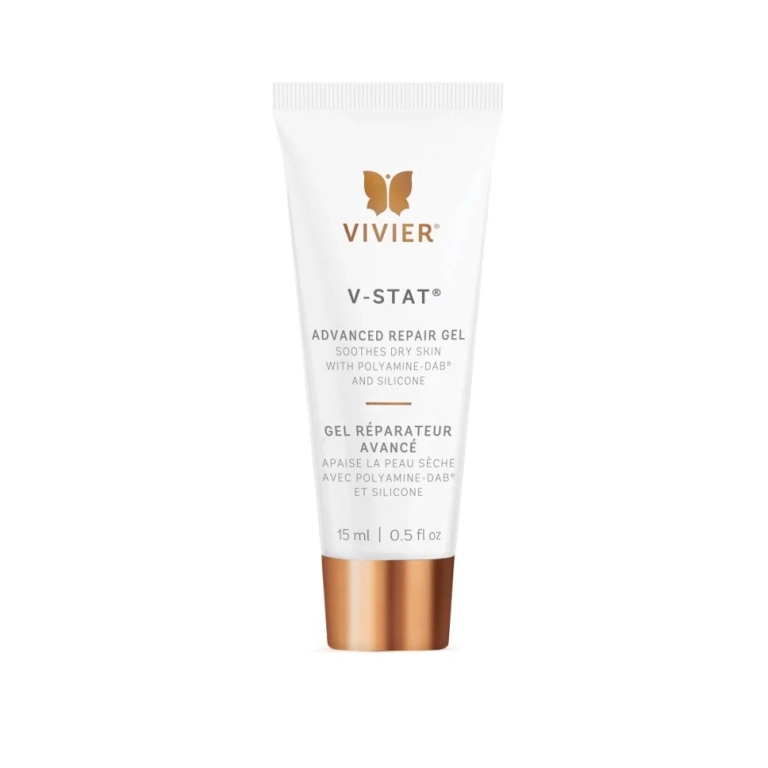
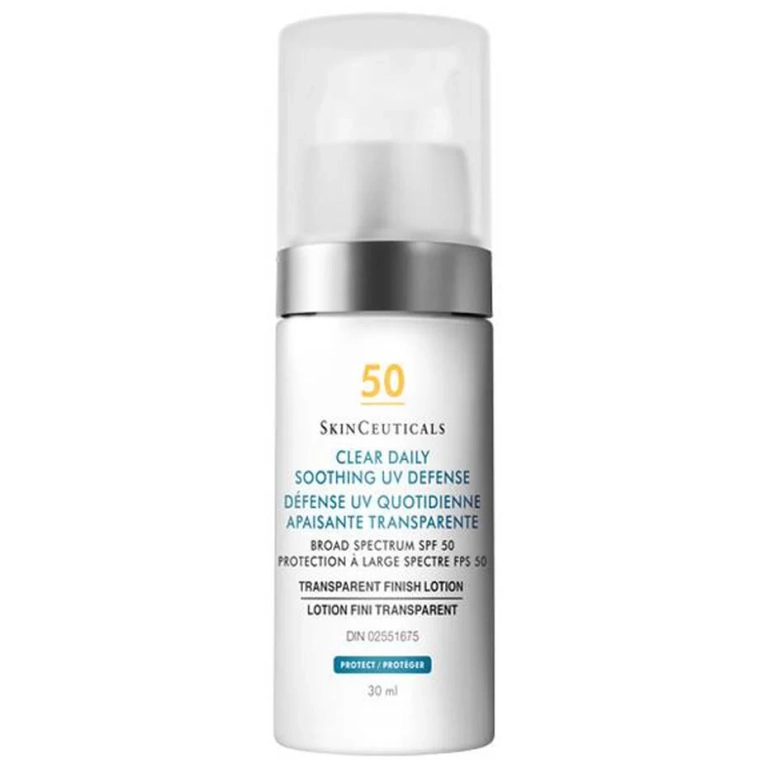
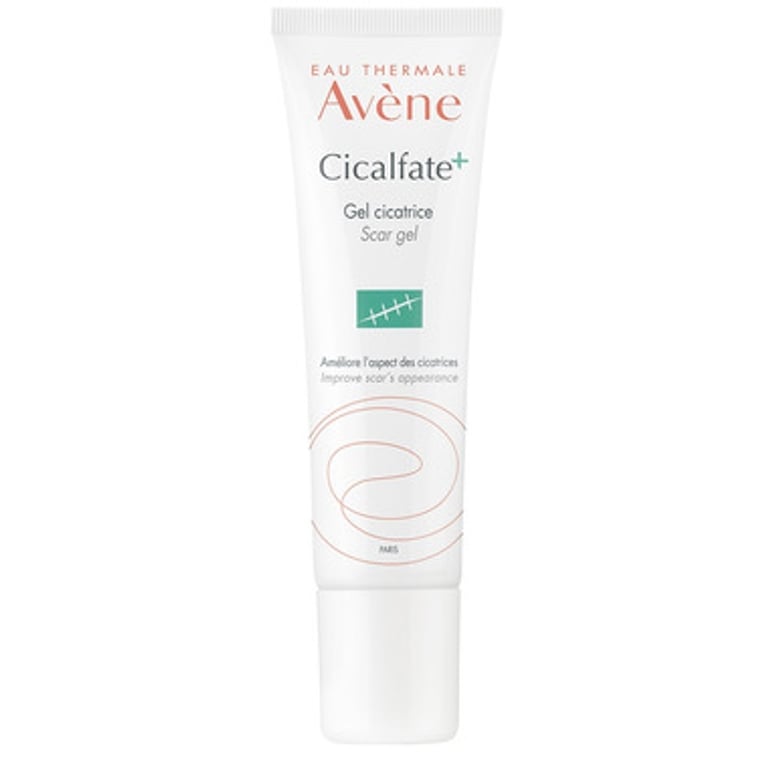
Gently wash with mild soap, add a layer of petroleum jelly (like Vaseline or Aquaphor) and seal it with a non-stick bandage to keep tension low and healing smooth. Once the skin is closed, it’s time to get strategic. Xing recommends silicone gel or sheets ASAP, noting that they have “the strongest evidence for reducing future scarring.” And don’t even think about skipping sunscreen, says Fung. UV exposure can darken a scar. “Sunscreen and collagen sheets are your best,” she adds.
This article first appeared in FASHION’s March 2026 issue. Read more stories from FASHION’s March 2026 issue here and subscribe to the print issue here.