
2016’s Most Memorable Moments in Fashion
2016 was an odd year. Between Brexit, Hilary Clinton’s presidential loss to Donald Trump, and the worsening of fighting in war-torn Syria, a fear of the unknown settled across the western hemisphere. We fashion types might not have felt this malaise so much, if not for the fact that the fashion establishment, designers and media alike, all seemed so vested in politics.
Vogue endorsed Clinton, and when a jubilant FLOTUS Michelle Obama appeared on the Vogue cover after the election results, people winced as if salt had been thrown in the wound. Across the pond, British Vogue editors (the Deputy Editor is ex-PM David Cameron’s sister-in-law) all wore “Vote No” campaign t-shirts on an Instagram post during Brexit debate. The year seemed very much about waking up and wondering who voted for what, and why am I friends with them?
In this age of constant scrutiny, we are reminded more and more that fashion is no longer just about aspiration or diversion or fun. It’s grown into something bigger, more pervasive and more motivating. From a Teen Vogue weekend editor actually expressing some political aplomb, (what? girls who like fashion care about the world?) to #squadgoals and sister love, fashion teaches and connects.
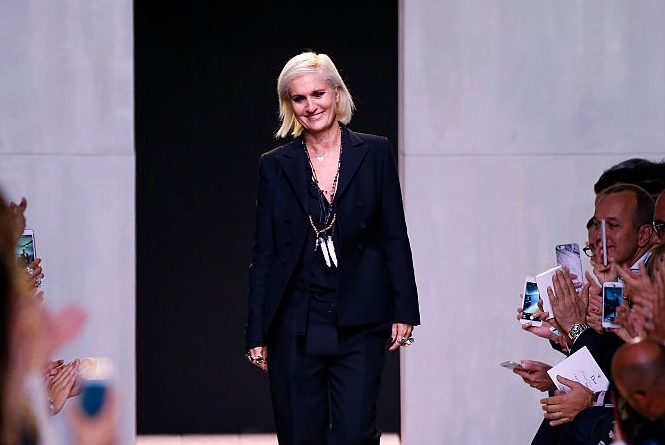
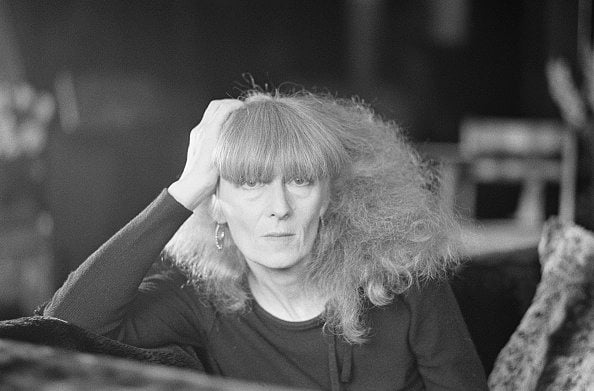


Maria Grazia Chiuri
Our Fashion Memories of 2016
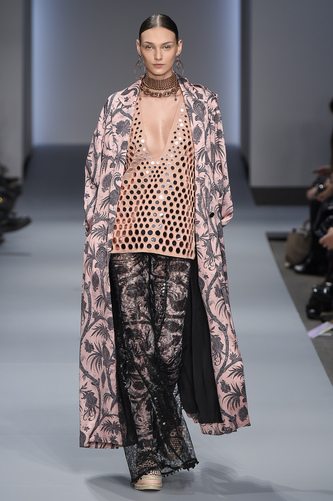
Maria Grazia Chiuri is named Dior’s creative director in July, and becomes the first woman to hold the role in the house’s 70-year history. Her Spring 2017 debut features ultra feminine textiles like tulle paired with basic t-shirts emblazoned with: “We Should All Be Feminists.”
